
Addressing Specific Behavioral Issues in Private Dog Training: Proven Strategies
Addressing specific behavioral issues in private dog training requires a tailored approach that caters to the unique needs of each dog. This hands-on, personalized method ensures that common and complex behaviors are tackled effectively, fostering a harmonious relationship between the pet and the owner.
Key Takeaway
Addressing specific behavioral issues in private dog training involves customized techniques that cater to individual dogs. Private sessions offer the advantage of focused attention, enabling the trainer to develop a deep understanding of the dog’s behavior.
This method proves to be highly effective for resolving issues such as aggression, excessive barking, and separation anxiety through tailored training plans and positive reinforcement.
The Importance of Private Dog Training
Personalized Attention
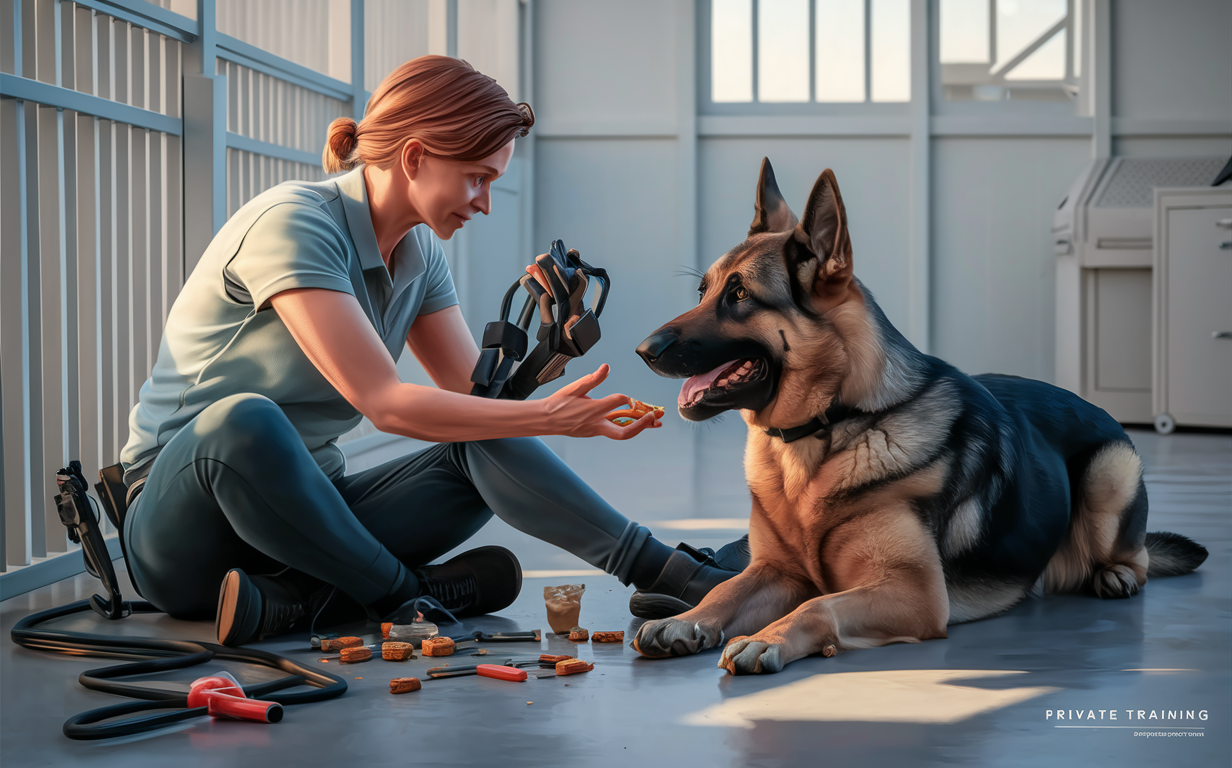
Private dog training provides the unique advantage of one-on-one attention. This focused setting allows trainers to zero in on specific behavioral problems such as reactivity, destructive chewing, or fearfulness. Each dog is different, and private sessions enable the trainer to adjust techniques to fit the dog's personality and needs.
Enhanced Behavioral Understanding
Trainers can observe and understand subtle cues in a dog’s behavior that may be missed in a group setting. This deeper insight helps in developing training strategies that are more effective for addressing unique behavioral issues. For instance, a dog might bark excessively due to fear rather than boredom, and private training can pinpoint the exact cause.
Customized Training Plans
In private sessions, training programs are customized to the dog's individual behavior and the owner's goals. This customization ensures that specific issues such as leash pulling or aggression towards other dogs are addressed with specialized techniques.
Common Behavioral Issues and Solutions
Aggression
Aggression in dogs can manifest in various forms, including territorial aggression, fear aggression, and dominance aggression. Understanding the root cause is crucial for effective treatment.
Techniques to Address Aggression
Behavioral Adjustment Training (BAT): This method focuses on changing the dog’s emotional response to triggers.
Counter-Conditioning and Desensitization: Gradually exposing the dog to the trigger in a controlled manner while rewarding calm behavior.
Excessive Barking
Dogs bark for many reasons, including boredom, fear, or attention-seeking. Identifying the cause is the first step in addressing this behavior.
Techniques to Curb Excessive Barking
Ignore Attention-Seeking Barking: Give your dog attention only when they are quiet.
Teach the “Quiet” Command: Reward your dog when they stop barking on command.
Separation Anxiety
Separation anxiety occurs when a dog exhibits distress behaviors, such as destroying furniture or excessive whining, when left alone.
Techniques to Soothe Separation Anxiety
Gradual Desensitization: Leave the dog alone for short periods and gradually increase the time.
Interactive Toys and Puzzles: Keep the dog engaged when you are away.
Destructive Chewing
Chewing is a natural behavior for dogs, but it becomes problematic when they chew on inappropriate items.
Techniques to Redirect Chewing
Provide Appropriate Chew Toys: Ensure your dog has access to toys that are safe and interesting.
Positive Reinforcement: Praise and reward your dog when they chew on appropriate items.
Benefits of Private Training for Specific Behavioral Issues
Intensive Focus
Private training allows for intensive focus on the dog's specific issues without the distractions of a group setting. This environment is particularly beneficial for dogs with reactivity or fear aggression.
Flexibility in Training Methods
Trainers have the flexibility to try different techniques and adjust methods on the spot based on the dog's progress. For example, if a particular approach to leash training isn’t working, the trainer can immediately switch tactics.
Stronger Bond with the Owner
Private training sessions often involve the owner directly, which can help strengthen the bond between the dog and the owner. Owners learn how to communicate more effectively with their dogs, leading to better overall behavior management.
Data-Driven Insights into Dog Behavior
Private dog training benefits from data-driven insights. By tracking specific metrics, trainers can fine-tune their approaches to suit the individual dog's needs.
Common Behavioral Issues and Their Causes
Behavioral Issue Common Cause Effective Solution Aggression Fear, Dominance BAT, Counter-Conditioning Excessive Barking Boredom, Fear, Attention Ignore, Teach "Quiet" Command Separation Anxiety Lack of Training, Boredom Gradual Desensitization, Interactive Toys Destructive Chewing Teething, Boredom Provide Chew Toys, Positive Reinforcement
According to the American Society for the Prevention of Cruelty to Animals (ASPCA), behavioral issues are the most common reason for owners seeking professional help for their dogs (ASPCA).
The Humane Society International reports that around 30% of dogs in the U.S. are returned to shelters due to behavioral problems (Humane Society International).
Private dog trainers use various methods to address specific behavioral issues. For instance, positive reinforcement training, which involves rewarding good behavior, is an effective method for dealing with issues like house soiling, jumping up, and barking (AKC).
For more severe behavioral issues, such as aggression or fear, trainers may use desensitization and counterconditioning techniques. Desensitization involves gradually exposing the dog to the stimulus that triggers the behavior while counterconditioning involves teaching the dog to associate the stimulus with a positive experience (ASPCA).
The cost of private dog training sessions varies depending on the location, trainer's experience, and the specific behavioral issue being addressed. On average, pet owners can expect to pay between $50 and $150 per session (PetMD).
The Role of Positive Reinforcement
Why Positive Reinforcement Works
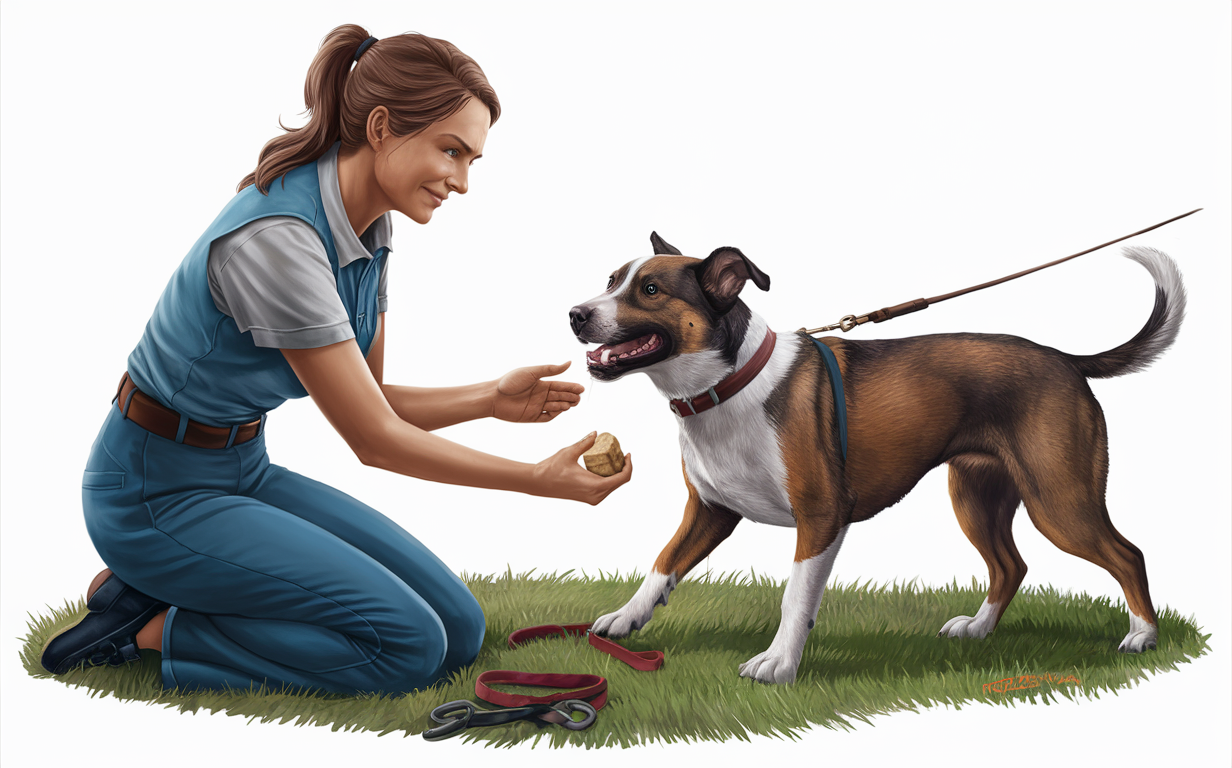
Positive reinforcement involves rewarding a dog for good behavior, which encourages them to repeat the behavior. This method is particularly effective for addressing issues like excessive barking and destructive chewing.
Implementing Positive Reinforcement
Immediate Rewards: Provide treats or praise immediately after the desired behavior.
Consistency: Be consistent with rewards to reinforce the behavior strongly.
Positive Reinforcement Techniques
Technique Description Example Treat Rewards Offering treats when the dog behaves appropriately Giving a treat when the dog sits on command Praise and Affection Using verbal praise and petting as rewards Saying "Good job!" and petting the dog Playtime Rewarding with a favorite toy or play session Engaging in a game of fetch
Key Considerations for Dog Owners
Understanding Your Dog’s Triggers
Knowing what triggers your dog’s undesirable behavior is crucial. For instance, if your dog barks excessively at the doorbell, the trigger is clearly the sound of the bell.
Patience and Consistency
Changing a dog’s behavior takes time and patience. Consistency in training methods and routines is key to achieving lasting results. For instance, if you are training your dog to stop jumping on guests, every family member must follow the same approach.
Seeking Professional Help
Consulting a professional dog trainer can provide insights and techniques that you might not have considered. Professional trainers bring experience and a wealth of knowledge that can be invaluable in addressing complex behavioral issues.
Practical Tips for Dog Owners
Quick Tips for Effective Training
Identify the root cause: Understand why your dog is exhibiting the behavior.
Be consistent: Use the same commands and rewards every time.
Use positive reinforcement: Reward good behavior immediately.
Avoid punishment: Focus on rewarding the positive rather than punishing the negative.
Create a routine: Dogs thrive on routine and structure.
Seek professional advice: Don’t hesitate to consult a trainer for persistent issues.
Conclusion
Private dog training is a highly effective way to address specific behavioral issues, thanks to its personalized approach and focused attention. By understanding your dog’s unique needs and applying customized training techniques, you can achieve long-lasting results and foster a harmonious relationship with your furry friend. Whether dealing with aggression, excessive barking, separation anxiety, or destructive chewing, private training offers tailored solutions that can transform your dog's behavior for the better.
By focusing on the unique needs of each dog and employing data-driven, positive reinforcement techniques, private dog training offers a customized approach to resolving behavioral issues.
Whether dealing with aggression, separation anxiety, or other challenges, private sessions provide the focused attention necessary for effective behavior modification. Cornerstone is here to help and ensure each dog gets the best training and care they deserved!
Contact us today to learn more about our private dog training.