
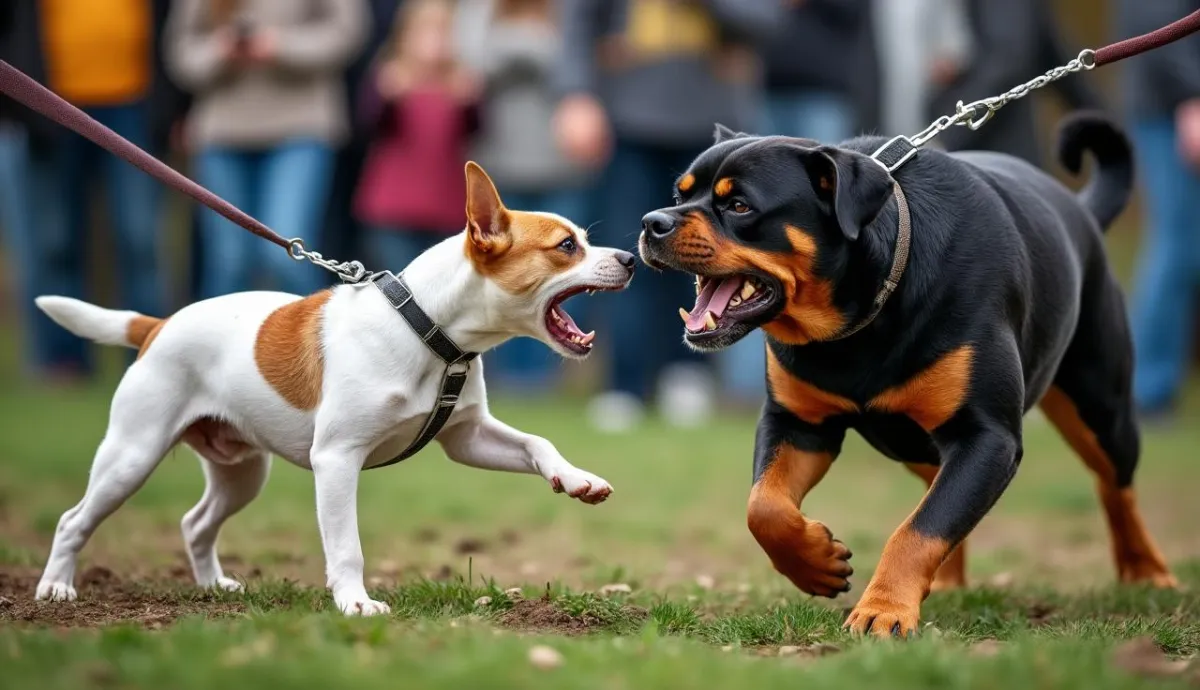
Aggressive Behavior in Dogs Toward Other Dogs
Dealing with aggressive behavior in dogs toward other dogs is more common than you might think. In fact, about 1 in 3 dog owners face this challenge at some point.
Let me break it down for you:
Dog aggression shows up in many ways. Your dog might growl, lunge, or bark at other dogs during walks. Some dogs even snap or try to bite when they meet other pups.
Here's what most people get wrong: They focus on stopping the barking or lunging without understanding why it happens. That's like putting a bandaid on a broken arm.
Before you can help your dog, you need to know what's really causing the problem. Sometimes it's fear, other times it's just poor social skills. And yes, some dogs can learn to get along better with others - but it's about managing the behavior, not finding a magic cure.
The good news? With the right help and understanding, most dogs can learn to handle other dogs better.
Understanding the Complex Nature of Canine Social Dynamics
Let me tell you something fascinating: dogs are a lot like kids on a playground. They need to learn how to play nice!
Your pup's early life shapes how they'll get along with other dogs forever. Think of it as their "friendship training period."
The most important time for this learning is between 3 and 16 weeks old. That's when puppies are like little sponges, soaking up everything about the world around them.
Missing these key weeks of meeting other dogs is like skipping kindergarten. It can make your dog feel unsure or scared later in life.
Here's what usually happens with dogs who missed out on early playtime:- They get nervous around other dogs- They might bark or growl more- They don't understand doggy "social rules"- They could become aggressive out of fear
But here's something most people don't know: even friendly dogs can get into spats. It's often because we humans miss the quiet signs they're giving.
Dogs talk with their bodies way before they bark or growl. A stiff tail or turned head might mean "I need space!"
Common triggers that most people miss:- New smells in their favorite park- Changes in their daily routine- Feeling trapped on a tight leash- Another dog staring at them
Early ExperienceLater BehaviorLots of puppy playConfident adult dogLimited dog contactNervous around othersPositive meetingsFriendly greetingsScary encountersDefensive reactions
Remember: your dog isn't being "bad" when they act up. They're usually trying to tell us something important!
Keep things simple by watching your dog's body language. If they seem stiff or worried, give them space. It's that easy!
Think of your dog like a furry friend who speaks a different language. Once you learn their signs, you'll be amazed at how much they've been trying to tell you all along!
Beyond Traditional Aggression Management
Want to know something cool? Your dog's aggressive behavior might have more to do with their daily routine than you think!
When your pup gets enough exercise, they're less likely to pick fights with other dogs. It's like letting off steam - a tired dog is usually a happy dog.
Playing fetch or going for runs helps burn that extra energy that might otherwise turn into aggression.
But here's the thing: physical exercise is just part of the story. Your dog's brain needs a workout too! Simple puzzle toys or training games can keep their mind busy and reduce unwanted behaviors.
Think of it like this: a bored dog is like a kid with nothing to do - they'll find ways to entertain themselves, and it's not always pretty!
Creating a daily schedule works wonders. Dogs love knowing what comes next:- Morning walks at the same time- Regular feeding hours- Set training sessions- Dedicated playtime- Quiet time for rest
Activity TypeBenefits for Reducing AggressionNose WorkBuilds confidence, reduces anxietyAgilityImproves focus, burns energySwimmingLow-impact exercise, stress reliefFetchTeaches impulse controlTug-of-WarControlled outlet for natural drives
Sometimes aggressive behavior isn't about training at all - it could be your dog trying to tell you something's wrong. Medical issues can make even the friendliest dog grumpy.
Those hormones? They're super powerful! Just like teenagers, dogs can get moody when their hormones are out of whack. Regular vet check-ups help catch these issues early.
Pain is another sneaky troublemaker. A dog with a sore hip or toothache might snap at others simply because they're hurting. That's why keeping up with health screenings is so important.
Remember: a healthy dog is more likely to be a friendly dog. Getting those regular check-ups isn't just about shots - it's about catching small problems before they become big behavior issues.
Modern Approaches to Behavioral Modification
Let's face it: helping your dog overcome aggressive behavior isn't a walk in the park. But I've got some game-changing strategies that actually work.
Environmental Management Strategies are your secret weapon in tackling dog aggression. Think of it as setting up your pup for success, just like baby-proofing a house for a toddler.
First up, creating safe spaces is crucial. Your dog needs a cozy corner in every room where they feel protected. I'm talking about a comfy bed or crate that's their personal chill-out zone.
Managing outdoor time is trickier than most people think. Here's what works:
Choose quiet walking times
Pick wide paths with good visibility
Avoid peak hours at dog parks
Use long leashes for better control
Practice in low-stress areas first
Your home setup matters big time. Move furniture to create clear paths. This stops your dog from feeling cornered when other dogs visit. It's amazing how a simple furniture shuffle can change everything!
Different places affect dogs differently. Your peaceful pup at home might turn into a nervous wreck at the vet. That's totally normal!
The Science of Calm is all about rewiring your dog's brain - and yes, it's totally possible! Dogs' brains are like play-doh: super moldable and ready for positive change.
Building new habits is like creating tiny trails in your dog's mind. Each good experience is like adding another stepping stone on that path.
Environment TypeStress LevelBest Training ApproachHomeLowBasic commands, relaxationBackyardMediumDistance work with triggersStreetHighQuick passes, treat rewardsDog ParkVery HighObservation from afar first
Remember: progress isn't a straight line. Some days your dog will rock it, others not so much. That's okay! Keep track of good days in a simple diary - it helps spot patterns and celebrate wins.
The key is staying patient and consistent. Your dog's not being stubborn - they're learning a whole new way of seeing the world. And with these strategies, you're showing them how to do it safely and confidently.
Building a Sustainable Management Protocol
Listen up: Getting your dog's behavior back on track isn't a one-size-fits-all deal. Every pup is unique, just like us!
First things first, we need to know what makes your dog tick. A good trainer will watch how your dog acts around other dogs and ask you lots of questions. They'll look at things like:
• Your dog's age and background• Past experiences with other dogs• Current living situation• Triggers that set them off
Think of it like getting a custom-made suit. We measure everything just right to make sure it fits perfectly.
Next up, we'll pick training tricks that work best for your furry friend. Some dogs do great with treat rewards, while others might prefer toys or praise. The key is finding what gets their tail wagging!
Here's a quick look at common training approaches and their success rates:
Training MethodBest ForSuccess RatePositive ReinforcementMost dogs85%Distance TrainingReactive dogs75%Counter ConditioningFear-based aggression80%Look-and-DisengageMild cases90%
We'll keep track of every little win along the way. Maybe today your dog can walk past another pup at 20 feet, and next week it's 15 feet. Progress is progress, no matter how small!
For the long haul, we'll set up a plan that you can stick to. It's like building a new habit - it takes time and practice. We'll teach you how to:
• Read your dog's body language• Spot triggers before they happen• Use calming techniques• Know when to take a step back
Remember: Rome wasn't built in a day, and your dog won't change overnight. But with patience and the right plan, you'll see amazing changes in your pup's behavior!
Managing dog aggression takes time and dedication. But with the right approach, you can help your dog become more relaxed around other dogs.
Remember: Every dog is different and needs its own special plan.
The key is to stay patient and keep learning. Watch your dog closely and learn what sets them off. This helps you spot problems before they start.
Work with a good trainer who knows about dog aggression. They can help you make a plan that works for your pup.
Most importantly, don't give up! Many dogs get better with the right help. Keep track of small wins - even tiny steps forward are worth celebrating.
Stay positive and keep working at it. Your dog can learn new ways to act around other dogs. It just takes time, love, and the right support.
You've got this! And your dog will thank you for not giving up on them.


