
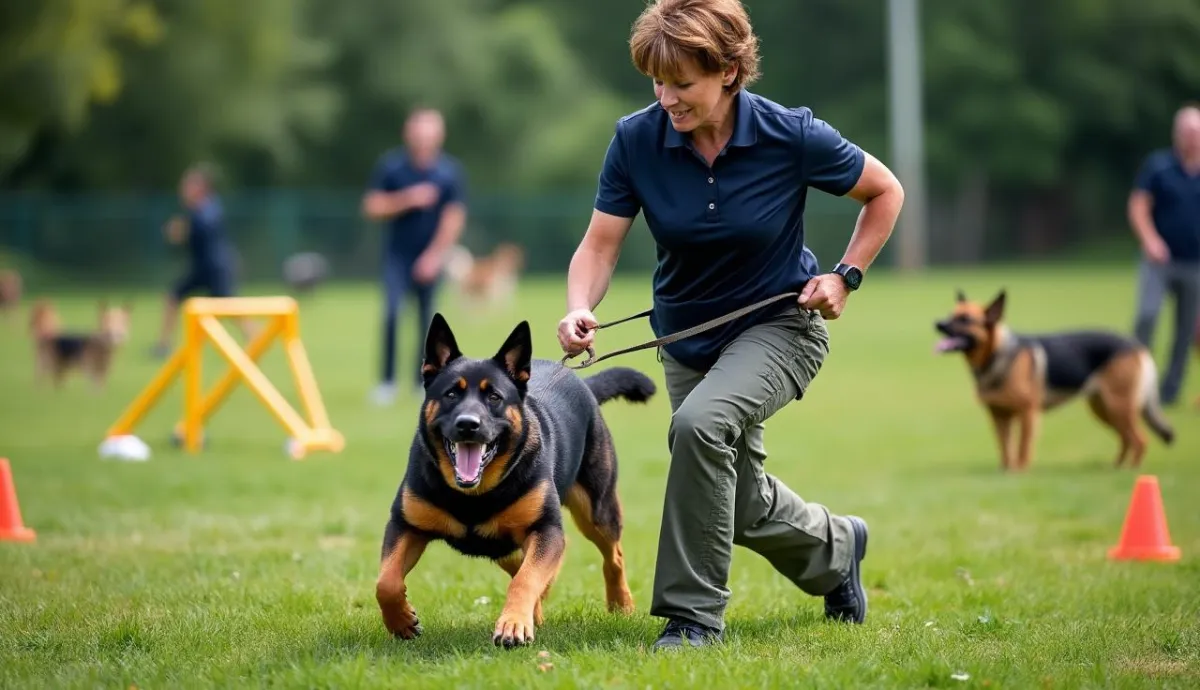
Best Dog Trainers Near Me for Aggression
Finding reliable dog trainers near me for aggression can feel overwhelming when your furry friend shows aggressive behavior. But don't worry - you're not alone, and help is closer than you think.
Listen up:
Professional trainers who specialize in aggression can transform your dog's behavior. Studies show that 90% of dogs show improvement after working with qualified trainers. The key is finding someone with the right credentials and experience.
You'll want a trainer certified in handling aggressive dogs. Look for certifications from respected organizations like CPDT-KA or IAABC. These pros know exactly how to tackle different types of aggression safely and effectively.
Time matters when dealing with aggressive behavior. The sooner you get help, the better your chances of success. Most dogs start showing positive changes within the first few sessions, especially when working with trainers who use modern, science-based methods.
Don't wait until a serious incident happens. The right trainer can help you and your dog live a happier, safer life together.
Evaluating Professional Dog Trainers for Aggression
Let's face it: finding the right trainer for an aggressive dog can feel overwhelming. But don't worry - I'll help you spot the best ones near you.
First up, you need a certified trainer. These pros have special training in handling aggressive dogs. Look for certifications from CPDT-KA or IAABC - these are the gold standards in dog training.
The best trainers focus on positive reinforcement. They should have years of hands-on experience with aggressive dogs. Plus, they need to know different types of aggression, from fear-based to resource guarding.
Watch out for these red flags:• Trainers who guarantee quick fixes• Those who won't let you watch training sessions• Anyone using harsh methods or punishment• Trainers without references or reviews• People claiming to be "dog whisperers"
Now, about money. Good training isn't cheap, but it's worth every penny. Most charge $100-250 per session. Some offer packages that can save you money in the long run.
Always check their insurance coverage. A pro trainer should have liability insurance - it protects both you and them if something goes wrong.
Top Trainer Qualifications to Look For:| Qualification | Why It Matters ||--|-|| CPDT-KA Certification | Proves knowledge of dog behavior || Liability Insurance | Shows professionalism and responsibility || Behavioral Assessment Skills | Helps identify aggression triggers || Continued Education | Stays updated with latest methods || Crisis Prevention Training | Handles emergency situations safely |
Pick someone who makes you feel comfortable. They should answer all your questions clearly and create a custom plan for your dog. Remember, fixing aggression takes time - there's no magic wand!
What to Expect During Professional Aggression Training
Listen up: Getting help for an aggressive dog can feel scary, but knowing what's ahead makes it much easier.
First, your trainer will do a complete check of your dog's behavior. They'll watch how your pup acts around people, other dogs, and different things that might upset them. Think of it like a doctor's first visit - they need to know what's wrong before they can help!
Most training programs run between 4-8 weeks. Some dogs learn faster, while others need more time. That's totally normal!
The best trainers use positive methods to help your dog feel better about scary things. They might use treats, toys, or praise to teach new behaviors. No harsh stuff - just gentle, proven ways to help your pup improve.
You'll need to be part of the training too! Plan to spend about 15-30 minutes each day practicing with your dog. It's like helping your kid with homework - your involvement makes a huge difference.
Safety comes first in every session. Your trainer will:- Use special leashes and equipment- Keep everyone at safe distances- Have backup plans ready- Give you clear instructions to follow
The Role of Environment in Training Success
Here's something cool: Where your dog trains can make a huge difference!
Some dogs do better starting at home where they feel safe. Others need a neutral spot to focus better. Your trainer will help pick the best place based on your dog's needs.
A quick look at training locations:
Location TypeBest ForChallenge LevelHomeEveryday issuesLowTraining facilityFocus workMediumPublic spacesReal-world practiceHigh
Managing triggers is super important. If your dog gets upset by skateboards, you'll start training far from them. Then slowly, when your pup is ready, you'll move closer.
The key is keeping your training spots consistent at first. It's like learning to ride a bike - you start in an empty parking lot before hitting the busy streets!
Remember to practice in the same quiet spot until your dog gets really good at their new skills. Then you can slowly try new places. Your pup will thank you for taking it step by step!
Creating Long-Term Success with Your Dog
Want to know the secret to lasting results with your dog's training? It all starts with daily practice.
Training your pup isn't a one-and-done deal. You'll need about 15 minutes each day to practice commands and reinforce good behaviors. Think of it like brushing your teeth – it's just part of your daily routine!
Make sure everyone in your home uses the same commands and rewards. If Mom says "sit" but Dad says "down" for the same behavior, your dog will get confused real fast!
Here's a simple way to track your dog's progress:
Keep a training diary
Take weekly videos
Note any setbacks
Track good behavior streaks
Document trigger situations
To stop your dog from falling back into old habits, stick to a regular schedule. Just like kids, dogs thrive on routine!
Building a Support Network for Ongoing Training
Let's face it – sometimes we all need a little help. Your vet can be your best friend when it comes to training support.
Make sure to tell your vet about any training challenges. They might spot health issues that affect your dog's behavior. Plus, they often know the best local trainers!
Training Support ResourcesWhat They OfferLocal Dog ParksSocialization practicePet Supply StoresTraining tools and adviceOnline CommunitiesTips and encouragementTraining ClassesStructured learning
Remember, consistency is key! Every person who handles your dog should follow the same rules. No sneaking treats or allowing jumping – even if those puppy eyes are hard to resist!
Check out your local pet stores and community centers. Many offer free training workshops or social hours for dogs. These are great places to practice what you've learned and meet other dog parents facing similar challenges.
And here's a pro tip: consider booking a few follow-up sessions with your trainer. They can spot and fix small issues before they become big problems!
Finding the right dog trainers near you for aggression issues can truly transform your pet's life. The path to a well-behaved, happy dog starts with taking that first step to reach out for help.
Here's what you need to know:
Your dog's journey to better behavior isn't a one-time fix. It needs ongoing work and patience. Most dogs show big improvements within 4-6 weeks of starting training, but keeping up with the lessons is key.
Remember, every dog can learn new ways to handle stress and fear. The right trainer will give you the tools to help your furry friend feel more confident and relaxed.
Don't wait to get help if your dog shows signs of aggression. The sooner you start working with a professional trainer, the better your chances of success. Your dog is counting on you to make the right choice.
Take action today. Your dog's happier, calmer future is just a phone call away.


