Effective Basic Obedience and Manners Private Dog Training
Effective Basic Obedience and Manners Private Dog Training
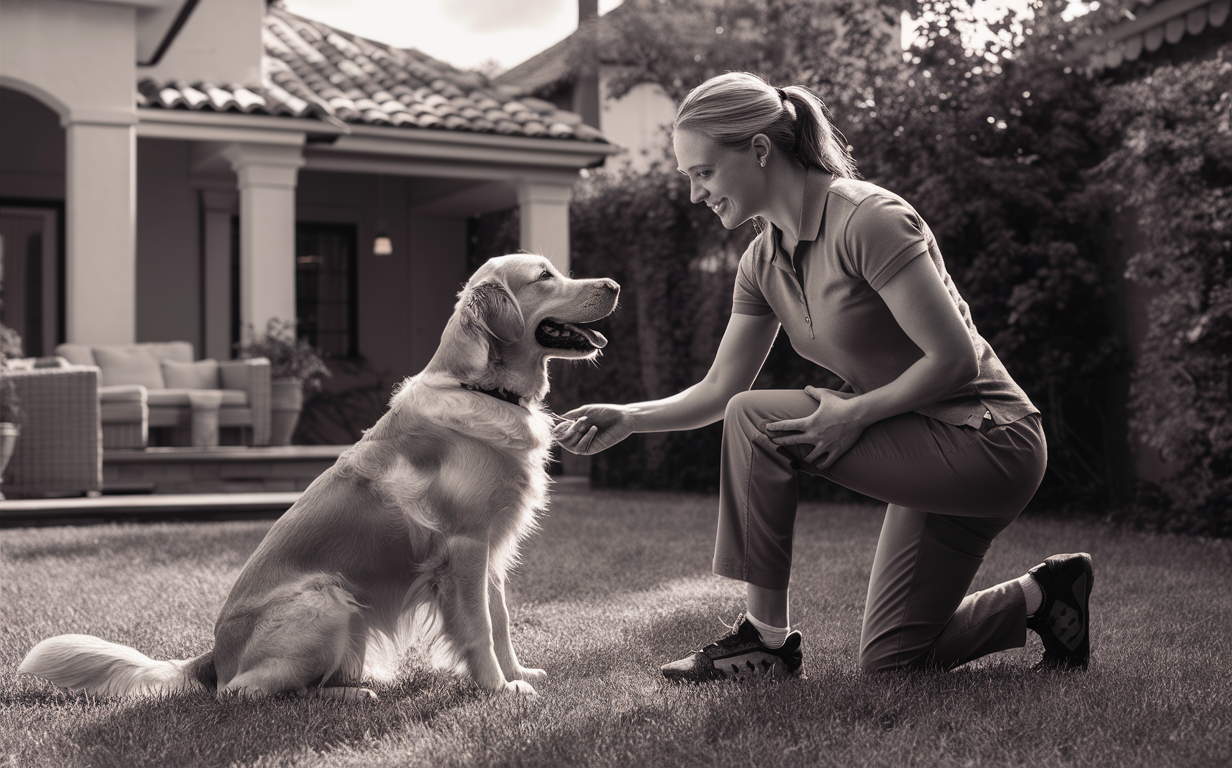
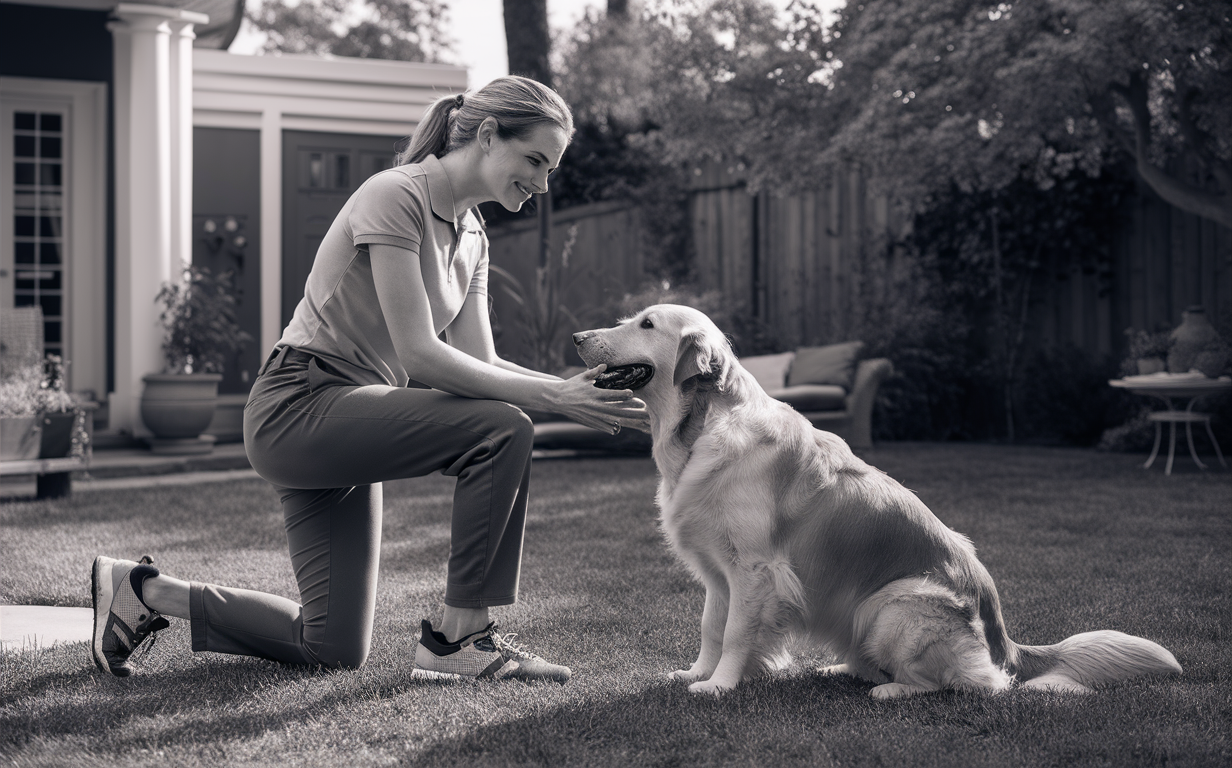
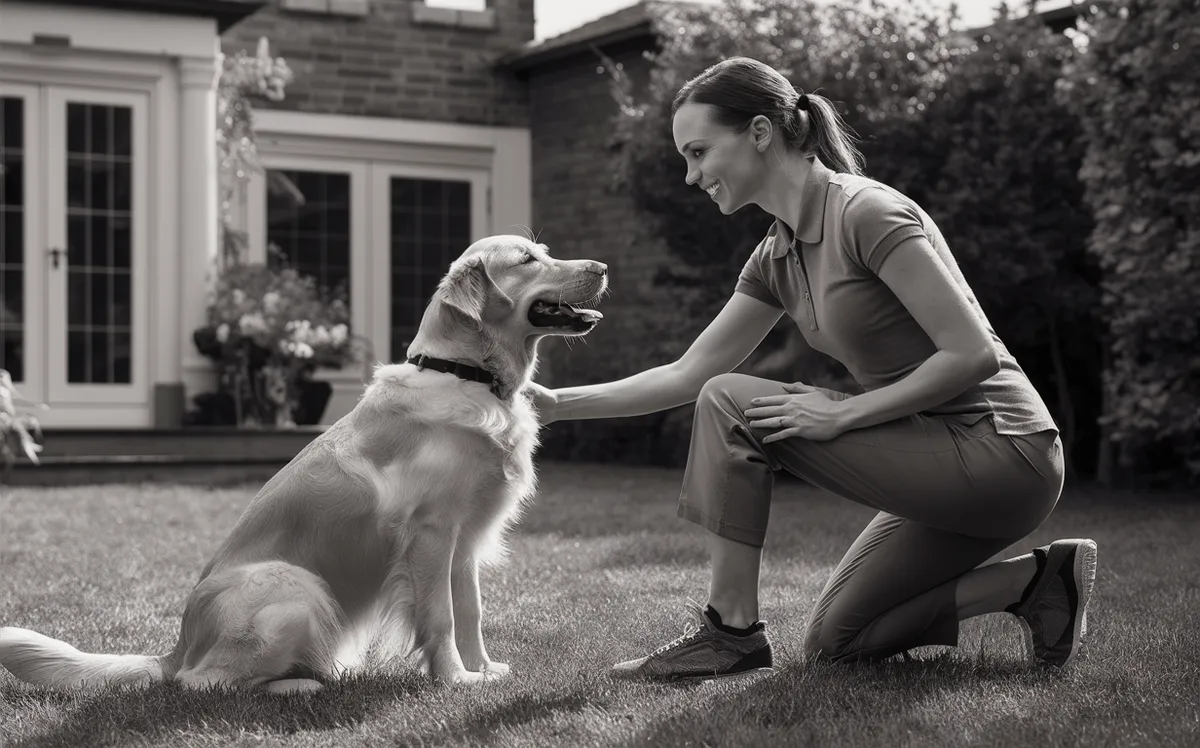
Basic obedience and manners private dog training can dramatically improve the relationship between you and your furry friend. When your dog follows commands and behaves well, everyday activities become more enjoyable and manageable.
At Cornerstone K9, we specialize in helping dog owners achieve these goals through personalized training programs designed to meet the unique needs of each dog.
Key Takeaways
Basic obedience and manners training are essential for a well-behaved dog.
Private dog training sessions allow for personalized, one-on-one attention.
Positive reinforcement techniques foster trust and respect.
Tailored training programs cater to dogs of all ages, breeds, and temperaments.
Consistent training strengthens the bond between owner and dog.
The Importance of Basic Obedience and Manners Private Dog Training
Basic obedience and manners training are crucial for any dog, regardless of age or breed. These foundational skills include commands like sit, stay, come, and heel, which are essential for ensuring your dog's safety and well-being.
When a dog understands and obeys these commands, it can prevent dangerous situations and improve your dog's quality of life.
Why Private Dog Training?
Private dog training offers several advantages over group sessions. The most significant benefit is the ability to receive personalized attention tailored to your dog's specific needs. This individualized approach allows the trainer to focus solely on your dog, addressing unique challenges and behaviors.
Benefits of Private Dog Training vs. Group Training
Benefit Private Training Group Training Personalization
High - Tailored to individual dog’s needs
Low - Generalized training Attention
One-on-one Shared among multiple dogs
Flexibility Schedule and pace tailored to your availability
Fixed schedule Behavioral Focus Specific issues addressed
General obedience Bonding Enhanced through individual sessions Limited interaction with trainer
Components of Effective Dog Training
Positive Reinforcement
Positive reinforcement is a key strategy in effective dog training. This technique involves rewarding your dog for good behavior, which encourages them to repeat those actions. Rewards can include treats, praise, or playtime, making training a positive experience for your dog.
Consistency
Consistency is crucial in dog training. Dogs learn best through repetition and routine, so it's important to practice commands regularly and maintain a consistent training schedule. This helps reinforce the behaviors you want to see and establishes clear expectations for your dog.
Developing a Training Plan
Assessing Your Dog's Needs
The first step in developing a training plan is assessing your dog's needs and behaviors. During a consultation, our trainers will discuss your goals and observe your dog's behavior to identify specific areas for improvement. This helps create a tailored training program that addresses your dog's unique challenges.
Setting Realistic Goals
Setting realistic goals is essential for successful training. Our trainers work with you to establish achievable milestones and create a timeline for reaching them. This ensures steady progress and keeps both you and your dog motivated.
Example Training Plan
Training Goal Timeline Activities Basic Commands 2-4 weeks Sit, stay, come, heel Manners Training 2-4 weeks No jumping, no biting, polite greetings Advanced Commands 4-6 weeks Off-leash, distance commands Behavior Modification Ongoing Addressing specific behavioral issues
Tips from Experienced Trainers
Our trainers have extensive experience working with dogs of all breeds and temperaments. Here are some tips they've found helpful:
Start Early: Begin training as soon as possible to establish good behaviors early on.
Be Patient: Training takes time, and progress may be gradual.
Stay Positive: Focus on rewarding good behavior rather than punishing bad behavior.
Practice Regularly: Consistency is key to reinforcing learned behaviors.
Seek Professional Help: If you encounter challenges, don't hesitate to consult a professional trainer.
Advanced Training Techniques
Incorporating Agility and Sport Training
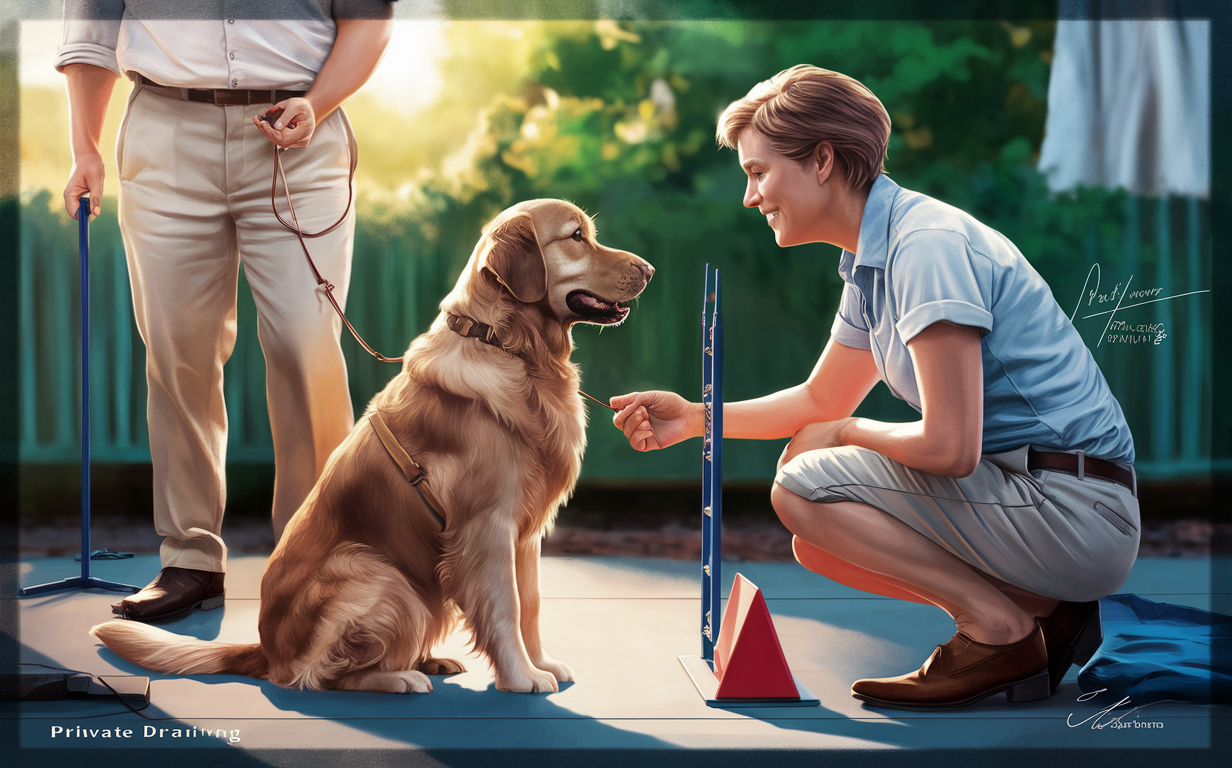
For dogs that have mastered basic obedience and manners, agility and sport training can provide additional mental and physical stimulation. These activities challenge your dog to navigate obstacles and follow commands in a dynamic environment, further strengthening their skills and enhancing the bond between you.
Behavioral Modification
Some dogs may require behavioral modification to address specific issues such as aggression, anxiety, or fearfulness. Our trainers use positive reinforcement techniques to help dogs overcome these challenges, creating a more harmonious relationship between dog and owner.
Common Challenges and Solutions
Addressing Aggression
Aggression can be a significant challenge for dog owners. It's essential to identify the root cause of aggressive behavior and address it through targeted training and positive reinforcement. Our trainers work closely with aggressive dogs to reduce triggers and promote calm, controlled behavior.
Overcoming Anxiety
Anxiety is another common issue that affects many dogs. Training can help reduce anxiety by building your dog's confidence and providing them with coping mechanisms. Techniques such as desensitization and counter-conditioning are often used to help anxious dogs feel more secure.
Building a Lifelong Bond
The ultimate goal of basic obedience and manners private dog training is to build a lifelong bond between you and your dog. Training not only improves your dog's behavior but also enhances your relationship by fostering trust, respect, and mutual understanding.
Enhancing Communication
Effective training enhances communication between you and your dog. By understanding and responding to commands, your dog learns to look to you for guidance and reassurance. This strengthens your bond and makes everyday activities more enjoyable.
According to the American Kennel Club (AKC), basic obedience training is essential for all dogs. Source: AKC
The AKC recommends teaching dogs the following basic commands: "Sit," "Stay," "Come," "Heel," and "Leave it." Source: AKC
A study published in the Journal of Veterinary Behavior found that dogs that received obedience training had fewer behavior problems than those that did not receive training. Source: NCBI
Private dog trainers often use positive reinforcement techniques, such as treats or praise, to encourage good behavior. Source: ASPCA
The cost of private dog training varies depending on the location and trainer's experience. According to Rover.com, the average cost for private dog training sessions ranges from $30 to $100 per session. Source: Rover.com
Key Takeaways for Dog Owners
Basic obedience and manners training are essential for a well-behaved dog, and private dog training offers personalized attention and tailored programs to meet your dog's unique needs. Consistency, positive reinforcement, and setting realistic goals are key components of effective training.
By addressing common challenges such as aggression and anxiety, training can create a more harmonious relationship between you and your dog. Ultimately, the goal is to build a lifelong bond that enhances the quality of life for both you and your furry friend.
Conclusion
At Cornerstone K9, we are dedicated to providing world-class dog training services in Raleigh and Durham. Our team of experienced trainers is committed to helping dog owners achieve their training goals through personalized, positive reinforcement techniques.
Whether you're looking to improve your dog's basic obedience and manners or address specific behavioral issues, we have the expertise and resources to support you. Contact us today to schedule a free consultation and start your journey towards a happier, well-behaved dog.