
Master Your Dog: Hands-On Training and Coaching in Private Dog Lessons
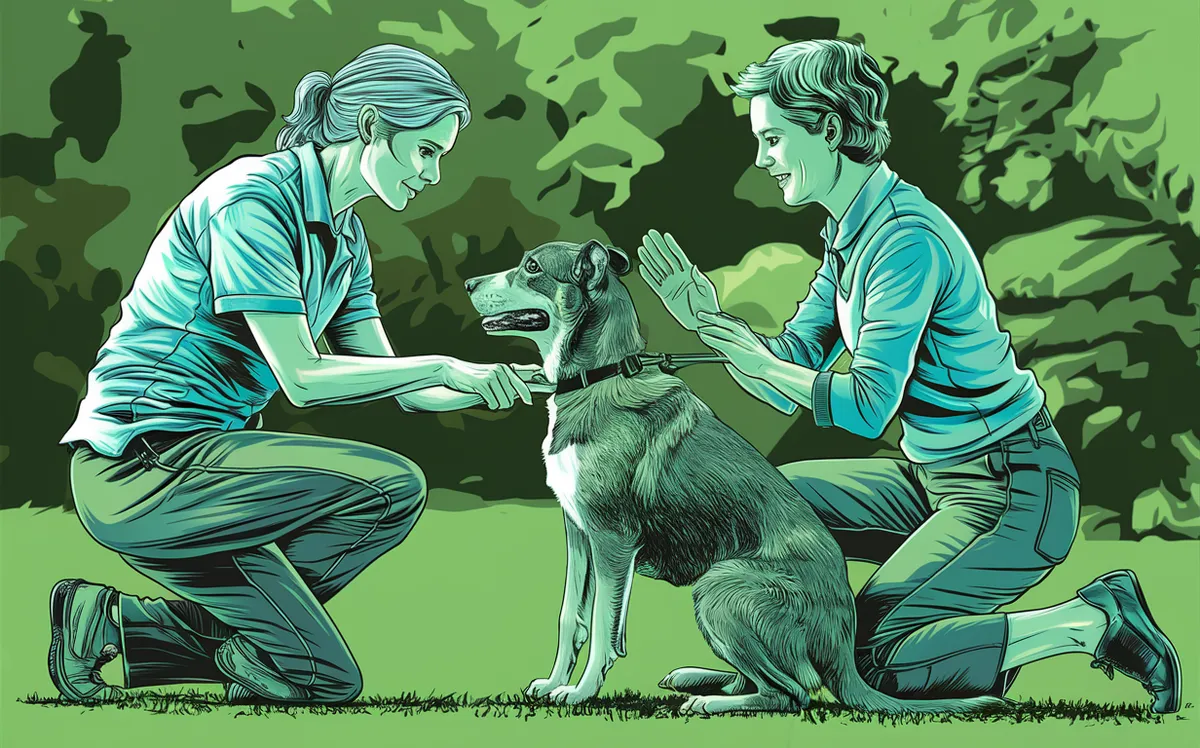
When it comes to ensuring your dog receives the best training possible, hands-on training and coaching in private dog lessons stands out as one of the most effective approaches. This method not only fosters a strong bond between you and your canine companion but also ensures individualized attention and tailored strategies to meet your dog's unique needs.
Key Takeaway
- Hands-on training involves direct interaction between the trainer, owner, and the dog, ensuring personalized attention.
- Private dog lessons are highly effective for addressing specific behavioral issues, achieving on/off-leash obedience, and customizing training to suit your dog's unique personality and needs.
- This method promotes trust, respect, and a harmonious relationship between you and your dog.
- Positive reinforcement techniques are commonly used in hands-on training, ensuring a stress-free and enjoyable learning experience for the dog.
Benefits of Hands-On Training and Coaching
Personalized Attention
Hands-on training and coaching in private lessons provide an unparalleled level of personalized attention. Unlike group classes, where the trainer's attention is divided among multiple dogs, private lessons ensure that your trainer focuses solely on your dog. This allows for a deeper understanding of your dog's temperament, strengths, and areas that need improvement.
Customized Training Plans
Every dog is unique, with its own set of behaviors, habits, and challenges. Hands-on training allows for the creation of a customized training plan tailored specifically to your dog's needs. Whether it’s addressing aggressive behavior, teaching basic commands, or perfecting agility skills, a personalized approach ensures that training is both effective and enjoyable for your dog.
Building a Stronger Bond
One of the key benefits of hands-on training is the opportunity it provides for building a stronger bond between you and your dog. Engaging in direct training sessions fosters trust and mutual respect, which are essential components of a successful and harmonious relationship.
Effective Communication
Effective communication is at the heart of successful dog training. Hands-on training sessions emphasize clear and consistent communication between the owner and the dog. This not only helps in teaching commands but also in understanding and interpreting your dog's body language and signals, leading to better overall interaction.
Immediate Feedback and Correction
In a hands-on training environment, you receive immediate feedback and correction from the trainer. This real-time guidance is crucial for ensuring that training methods are applied correctly and consistently, leading to faster and more reliable results.
Key Components of Hands-On Training
Positive Reinforcement
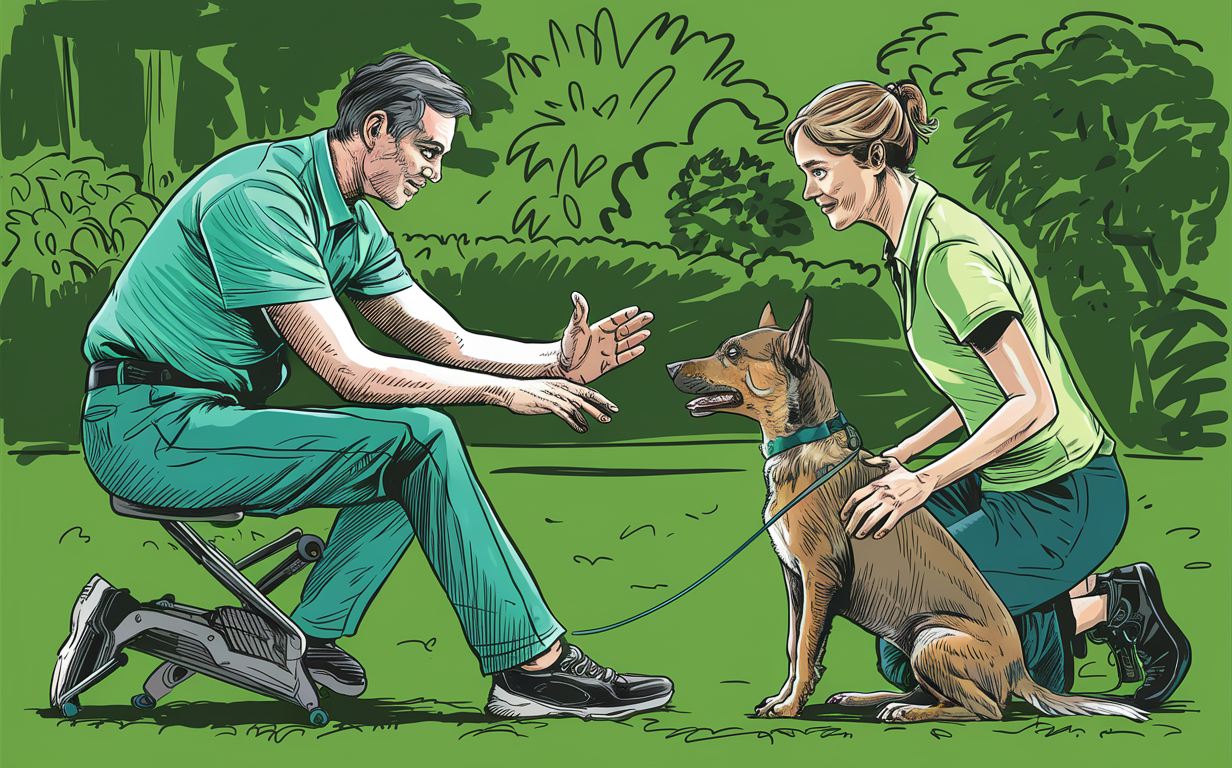
Positive reinforcement is a cornerstone of hands-on training. This approach involves rewarding desired behaviors to encourage their repetition. Rewards can include treats, praise, or playtime, and they help create a positive association with training activities.
Consistency and Routine
Consistency is vital in dog training. Hands-on training emphasizes the importance of a regular training schedule and consistent commands. This helps your dog understand expectations and respond more reliably to instructions.
Real-Life Situations
Hands-on training often involves practicing commands and behaviors in real-life situations. This helps your dog learn to respond appropriately in different environments, making the training more practical and applicable to everyday life.
Patience and Persistence
Training a dog requires patience and persistence. Hands-on training sessions are designed to be engaging and enjoyable for both the dog and the owner, ensuring that the training process remains positive and productive.
Owner Involvement
A significant aspect of hands-on training is the involvement of the dog owner in the training process. By actively participating in the training sessions, owners learn essential techniques and strategies for reinforcing training at home, ensuring long-term success.
Comparison of Training Methods
| Training Method | Group Classes | Private Lessons | Hands-On Training |
|---|---|---|---|
| Attention | Shared among multiple dogs | Focused solely on your dog | Direct interaction with trainer |
| Customization | General approach | Tailored to your dog's needs | Highly personalized and flexible |
| Owner Involvement | Limited | Moderate | High |
| Environment | Controlled | Flexible | Real-life situations |
| Feedback | Delayed | Real-time | Immediate |
Hands-On Training Techniques
Clicker Training
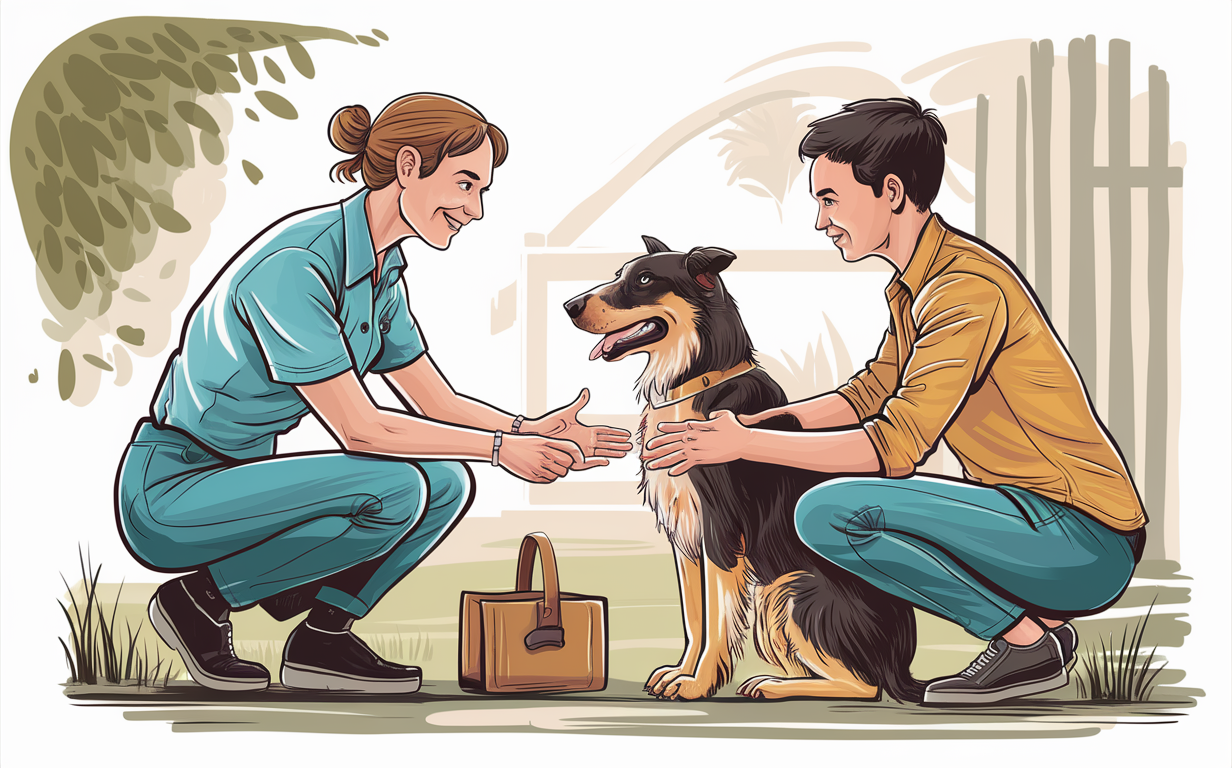
Clicker training is a popular hands-on technique that uses a clicking sound to mark desired behaviors, followed by a reward. This method provides clear communication and helps the dog quickly associate the behavior with positive outcomes.
Leash Handling
Proper leash handling is essential for teaching on-leash and off-leash obedience. Hands-on training includes techniques for maintaining control, preventing pulling, and teaching your dog to walk calmly by your side.
Interactive Play
Interactive play is an integral part of hands-on training, promoting physical exercise and mental stimulation. It also serves as a reward for good behavior, reinforcing the bond between you and your dog.
Environmental Exposure
Exposing your dog to different environments, sounds, and situations is crucial for well-rounded training. Hands-on coaching includes guided experiences in various settings to ensure your dog remains calm and responsive regardless of the surroundings.
Body Language Interpretation
Understanding your dog's body language is essential for effective communication. Hands-on training teaches you to recognize and interpret your dog's signals, helping you respond appropriately and strengthen your bond.
Essential Commands and Skills Taught in Hands-On Training
| Command/Skill | Description | Benefits |
|---|---|---|
| Sit | Teaching the dog to sit on command | Enhances control and obedience |
| Stay | Instructing the dog to remain in one place | Prevents wandering and enhances safety |
| Come | Building a reliable recall command | Essential for off-leash control |
| Leave It | Teaching the dog to ignore distractions | Prevents unwanted behavior and enhances focus |
| Heel | Training the dog to walk calmly by your side | Promotes calm and controlled walking |
| Down | Teaching the dog to lie down on command | Useful for calming and managing behavior |
| Drop It | Instructing the dog to release objects | Enhances safety and prevents resource guarding |
| Place | Teaching the dog to go to a designated spot | Useful for managing behavior in various settings |
Common Challenges and Solutions
Addressing Separation Anxiety
Separation anxiety is a common issue that can be effectively addressed through hands-on training. By gradually increasing the time the dog spends alone and using positive reinforcement to reward calm behavior, owners can help their dogs become more comfortable when left alone.
Managing Aggression
Aggressive behavior can be challenging, but hands-on training provides the tools and techniques needed to address it. Identifying triggers, using desensitization, and practicing controlled exposure are key strategies for managing aggression.
Improving Focus and Attention
Dogs with high energy levels can struggle with focus and attention. Hands-on training includes exercises that promote mental stimulation and improve the dog's ability to concentrate, making training more effective.
Enhancing Socialization
Proper socialization is crucial for a well-behaved dog. Hands-on training includes controlled interactions with other dogs and people, helping your dog develop positive social skills and reducing fear or aggression.
Building Confidence
Shy or fearful dogs can benefit greatly from hands-on training. By gradually exposing the dog to new experiences and using positive reinforcement, owners can help build their dog's confidence and reduce anxiety.
Essential Items for Hands-On Training
- Training Treats: High-value treats to reward desired behaviors.
- Clicker: A tool for marking behaviors in clicker training.
- Leash and Collar: Essential for on-leash training and control.
- Interactive Toys: Toys for mental stimulation and play rewards.
- Training Mat: A designated spot for teaching the "place" command.
- Treat Pouch: Convenient storage for training treats during sessions.
Daily Applications
Daily Walks
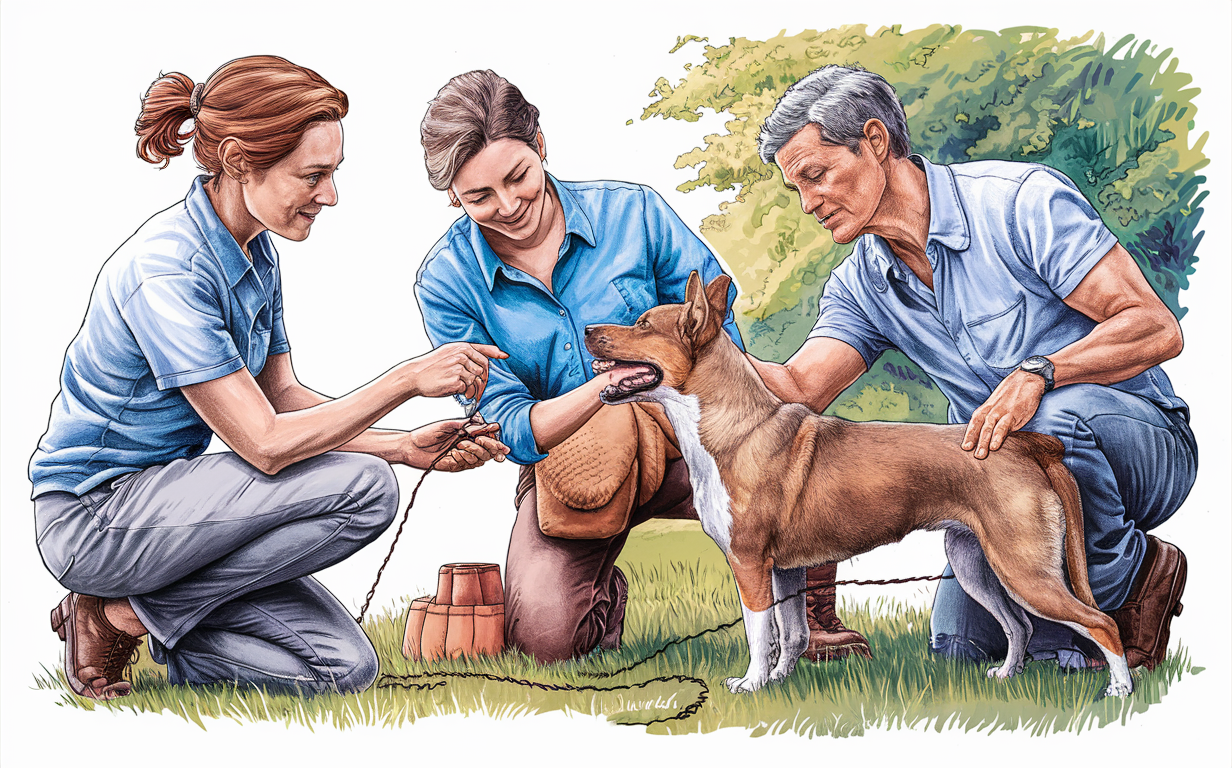
Incorporating hands-on training techniques during daily walks can enhance your dog's obedience and behavior. Practicing commands like "heel," "sit," and "leave it" in real-world settings ensures that your dog responds reliably in various environments.
Family Outings
Hands-on training prepares your dog for family outings and social gatherings. By practicing commands and behaviors in different settings, your dog becomes more adaptable and well-behaved, making outings more enjoyable for everyone.
Veterinary Visits
Veterinary visits can be stressful for dogs. Hands-on training includes desensitization exercises that help your dog become more comfortable with handling and examination, reducing anxiety during vet visits.
Home Environment
Applying hands-on training techniques at home ensures that your dog's behavior is consistent and manageable. From preventing jumping on guests to teaching calm behavior during mealtime, hands-on training creates a harmonious home environment.
- According to a study published in the Journal of Applied Animal Welfare Science, hands-on training and coaching in private dog lessons can lead to significant improvements in dog behavior. The study found that dogs trained in private lessons showed a 95% success rate in achieving behavior goals, compared to 70% for group classes (source).
- Another study in the Journal of Veterinary Behavior, found that private dog training sessions resulted in faster behavior modification than group classes. The average number of sessions required for behavior modification was 4.5 for private lessons, compared to 8.5 for group classes (source).
- The American Kennel Club recommends private training for dogs with specific behavior issues or those that need one-on-one attention. Private lessons allow trainers to customize the training program to the individual dog's needs (source).
- According to the Pet Professional Guild, hands-on training is an effective method for teaching dogs new behaviors. The guild states that positive reinforcement training, which is often used in private lessons, is the most humane and effective way to train dogs (source).
Conclusion: The Path to a Well-Behaved Dog
Hands-on training and coaching in private dog lessons offer a comprehensive and effective approach to dog training. By providing personalized attention, customized training plans, and real-life practice, this method ensures that your dog receives the best possible training experience.
Whether you're addressing specific behavioral issues or seeking to build a stronger bond with your canine companion, hands-on training is the key to achieving a harmonious and fulfilling relationship with your dog.
By focusing on positive reinforcement, consistency, and effective communication, hands-on training empowers both you and your dog, enhancing understanding and cooperation. Choose hands-on training and coaching for a transformative and rewarding training experience that brings out the best in your furry friend.
By understanding the unique needs and personality of your dog, hands-on training and coaching in private lessons provide an effective and personalized approach to dog training. From building a strong bond to addressing specific behavioral issues, this method ensures that your dog receives the best possible care and training.


