
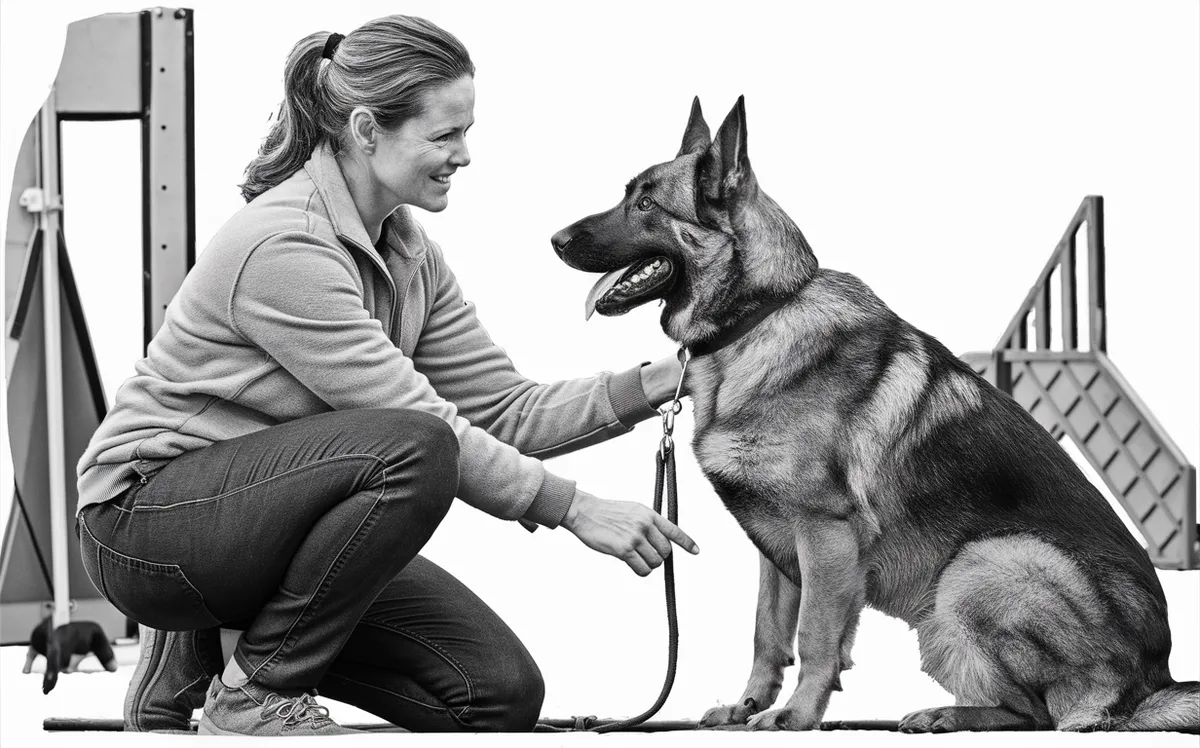
Mastering Adult Dog Behavior: Addressing Specific Behavioral Concerns in Adult Dog Board and Train
Addressing Specific Behavioral Concerns in Adult Dog Board and Train
When it comes to adult dogs, behavior concerns can be both challenging and complex. However, with professional board and train programs, these issues can be effectively managed and resolved. This article will provide insightful strategies for addressing specific behavioral concerns in adult dogs.
Key Takeaway
- Behavioral concerns in adult dogs can be complex, requiring specialized training.
- Board and train programs offer an intensive, structured environment for addressing these issues.
- Personalized training plans are crucial for tackling individual behavioral concerns.
- Positive reinforcement techniques ensure long-term success and strengthen the bond between owner and dog.
- Consistency and patience are key in making significant behavior improvements.
Understanding the Challenges in Adult Dog Behavior
Common Behavioral Concerns
Adult dogs may exhibit various behavioral issues that can disrupt household harmony. Some common problems include:
- Aggression: Manifesting as growling, snapping, or biting, aggression can be directed towards humans or other animals.
- Separation Anxiety: Dogs with separation anxiety may become extremely stressed when left alone, leading to destructive behaviors.
- Fear and Phobia: Loud noises, strangers, or certain environments can trigger fear and anxiety in adult dogs.
- Excessive Barking: Barking incessantly without a clear reason can become a nuisance for dog owners.
- Leash Reactivity: Lunging, barking, or growling at other dogs or people while on a leash.
Why Board and Train Works
Board and train programs provide a structured environment where professional trainers can focus intensively on your dog's specific needs. This setup allows for:
- Consistent Training: Dogs receive daily training sessions, ensuring quick progress.
- Immersive Environment: Removal from their usual environment can break bad habits and create new, positive behaviors.
- Expert Guidance: Professional trainers have the experience and expertise to handle complex behavioral issues.
Setting Realistic Expectations
The Importance of Patience
When dealing with behavioral issues in adult dogs, it's essential to have realistic expectations. Change takes time, and each dog progresses at their own pace. Patience and consistency from both the trainer and the owner are crucial for long-term success.
Personalized Training Plans
Every dog is unique, and so are their behavioral concerns. A one-size-fits-all approach won't work. Trainers must create personalized plans that consider the dog's history, personality, and specific issues. This tailored approach ensures that the training is effective and addresses the root cause of the behavior.
Techniques for Addressing Behavioral Concerns
Positive Reinforcement
Using positive reinforcement involves rewarding desired behaviors to encourage their repetition. This method is not only effective but also strengthens the bond between the dog and the owner.
Examples of Positive Reinforcement Techniques:
| Behavior Issue | Positive Reinforcement Technique | Example |
|---|---|---|
| Aggression | Reward calm behavior | Treats when the dog remains calm around triggers |
| Separation anxiety | Gradual desensitization and rewards | Treats for calm behavior when left alone briefly |
| Fear and phobia | Counter-conditioning | Treats for calm behavior in response to loud noises |
| Excessive barking | Quiet command and reward | Treats for staying quiet after the 'quiet' command |
| Leash reactivity | Clicker training for calm behavior | Click and treat when the dog calmly passes others |
Behavior Modification Techniques
Behavior modification involves changing undesirable behaviors through various techniques. Trainers use these methods to address specific issues based on the dog's needs.
- Desensitization: Gradually exposing the dog to the trigger in a controlled manner.
- Counter-conditioning: Associating the trigger with positive experiences.
- Operant Conditioning: Using rewards and consequences to shape behavior.
Key Behavior Modification Techniques
| Technique | Description | Example |
|---|---|---|
| Desensitization | Gradual exposure to the trigger | Slowly increasing the distance between the dog and a feared object |
| Counter-conditioning | Pairing the trigger with positive experiences | Providing treats when the dog encounters a feared object |
| Operant Conditioning | Using rewards and consequences to shape behavior | Rewarding desired behavior and ignoring or redirecting unwanted behavior |
Integrating Training into Daily Life
Consistency is Key
Once the dog returns home from the board and train program, maintaining consistency in training is vital. Owners must continue to follow the training plan provided by the trainer to reinforce positive behaviors.
Creating a Routine
Dogs thrive on routine. Establishing a consistent daily schedule for feeding, exercise, and training helps reinforce positive behavior. This predictability makes dogs feel secure and less likely to exhibit anxiety.
- Behavioral concerns in adult dogs at board and train facilities: According to a survey conducted by the American Boarding Kennels Association (ABKA), the most common behavioral concerns reported by boarding kennels are anxiety (37%), aggression (23%), and house soiling (18%) (ABKA Survey Results).
- Effectiveness of board and train programs: A study published in the Journal of Applied Animal Welfare Science found that 80% of dogs showed improvement in their behavioral issues after attending a board and train program (Effectiveness of Board and Train Programs).
- Cost of board and train programs: The cost of board and train programs can vary widely, depending on the length of the program and the specific services offered. According to a survey conducted by PetMD, the average cost for a 30-day board and train program is around $2,500 (Cost of Board and Train Programs).
- Importance of socialization: Socialization is an essential part of addressing behavioral concerns in adult dogs. According to the American Veterinary Medical Association (AVMA), socialization during the critical period (ages 8-12 weeks) can help prevent behavioral problems later in life (AVMA Socialization Guidelines).
- Role of positive reinforcement: Positive reinforcement is an effective training method for addressing behavioral concerns in adult dogs. According to the American Society for the Prevention of Cruelty to Animals (ASPCA), positive reinforcement involves rewarding desired behaviors and ignoring or redirecting unwanted behaviors (ASPCA Positive Reinforcement).
Key Tips for Owners
To ensure the success of addressing behavioral concerns, dog owners should follow these tips:
- Follow the Training Plan: Stick to the plan provided by the trainer to ensure continuity.
- Be Patient: Understand that change takes time and be patient with your dog's progress.
- Provide Positive Reinforcement: Consistently reward positive behavior to reinforce good habits.
- Maintain Consistency: Keep the training consistent to avoid confusion and setbacks.
- Seek Professional Help: If issues persist, don't hesitate to seek additional guidance from professional trainers.
Essential Tips for Successful Dog Training
- Follow the training plan provided by the trainer.
- Be patient and understand that change takes time.
- Consistently reward positive behavior.
- Maintain a consistent training routine.
- Seek professional help if needed.
The Role of the Dog Owner
Cooperation and Communication
The success of a board and train program heavily relies on the cooperation and communication between the trainer and the dog owner. The owner must continue the training at home and provide feedback to the trainer for ongoing support.
Creating a Supportive Environment
A supportive home environment is crucial for reinforcing positive behavior. This includes:
- Providing a Safe Space: Ensure that the dog has a designated safe space where they can retreat and feel secure.
- Limiting Triggers: Minimize exposure to known triggers to prevent setbacks.
- Engaging in Positive Activities: Involve the dog in activities they enjoy to reduce stress and encourage positive behavior.
Conclusion: A Commitment to Change
Addressing specific behavioral concerns in adult dogs through a board and train program requires dedication, patience, and consistency. At Cornerstone K9, we are committed to providing expert guidance and support to help your dog overcome their behavioral challenges and thrive.
By following the strategies and techniques outlined in this article, dog owners can create a harmonious and fulfilling relationship with their furry companions. Remember, with the right approach and commitment, positive change is possible.


