
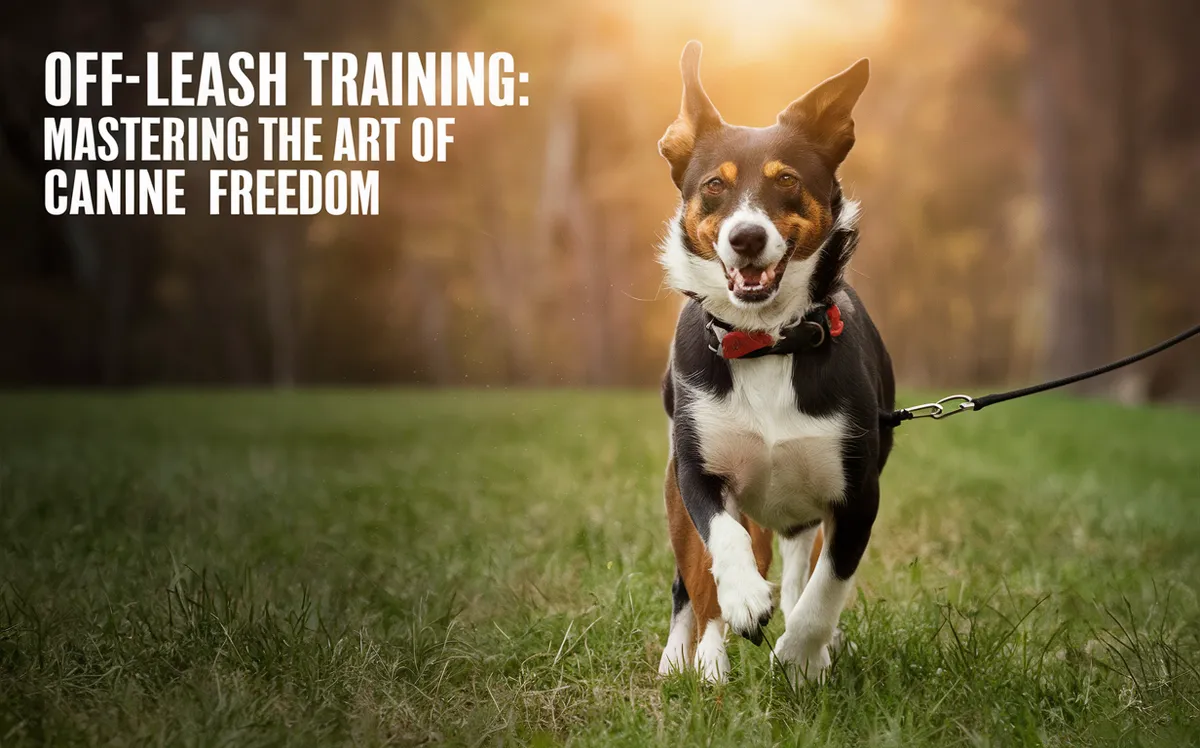
Off-Leash Training: Mastering the Art of Canine Freedom
Are you tired of constantly holding onto your dog's leash during walks or hikes? Do you dream of letting your furry friend roam freely while still maintaining control? Look no further! In this ultimate guide, we'll dive into the world of off-leash training and show you how to unlock your dog's potential for greater freedom and adventure.
Key Takeaways
Off-leash training requires patience, consistency, and a strong bond between you and your dog - Start with basic obedience commands like sit, stay, come, and heel before progressing to off-leash work - Use positive reinforcement techniques to encourage good behavior and build trust - Practice in safe, enclosed areas before venturing into public spaces - Always prioritize your dog's safety and be mindful of leash laws and other people/animals
What is Off-Leash Training?
Off-leash training is the process of teaching your dog to respond to commands and stay close to you without the need for a physical leash. It's about building a strong, trusting relationship with your canine companion and giving them the freedom to explore their surroundings while still maintaining control.
The benefits of off-leash training are numerous: - Increased exercise and mental stimulation for your dog - Greater bonding opportunities between you and your pet - More enjoyable outdoor adventures for both of you - Improved obedience and responsiveness to commands
However, it's important to note that not all dogs are suitable candidates for off-leash training. Some breeds have a higher prey drive or tendency to wander, making it more challenging to train them for off-leash reliability. Additionally, some dogs may have behavioral issues or anxiety that require professional intervention before attempting off-leash work.
Getting Started with Off-Leash Training
Before you begin off-leash training, it's crucial to have a solid foundation of basic obedience commands. Your dog should reliably respond to cues like sit, stay, come, and heel while on a leash. If your dog struggles with these basic commands, consider enrolling in our Private Lessons program to build a strong training foundation.
Once your dog has mastered the basics, you can start introducing off-leash work in a safe, enclosed area like a fenced yard or dog park. Use high-value treats and plenty of praise to reward your dog for staying close and responding to commands. Gradually increase the distance between you and your dog, always ensuring they remain focused on you.
Progressing to More Advanced Off-Leash Work
As your dog becomes more comfortable and reliable off-leash, you can start practicing in more challenging environments. Begin with quiet, low-distraction areas like empty fields or trails, and slowly work up to busier locations with more people, animals, and stimuli.
Here are some tips for advancing your off-leash training: 1. Use a long line or drag line to give your dog more freedom while still maintaining control 2. Practice emergency recalls in case your dog gets distracted or starts to wander too far 3. Incorporate games and play into your training sessions to keep things fun and engaging 4. Teach your dog to check in with you regularly, even when off-leash 5. Always be prepared to leash your dog if necessary, especially in public areas or around other people/animals
If you're looking for more intensive off-leash training, consider our Board and Train programs. Our expert trainers will work with your dog in a variety of environments to build rock-solid off-leash reliability and obedience.
Safety Considerations for Off-Leash Dogs
While off-leash freedom is incredibly rewarding for both you and your dog, it's essential to prioritize safety at all times. Always be aware of your surroundings and potential hazards like roads, wildlife, or unfriendly dogs.
It's also crucial to respect leash laws and other people's comfort levels. Not everyone is comfortable around off-leash dogs, so be prepared to leash your dog or give others plenty of space when necessary. In some areas, off-leash dogs are prohibited entirely, so always check local regulations before letting your dog off-leash.
Troubleshooting Common Off-Leash Issues
Even with extensive training, there may be times when your off-leash dog doesn't respond as expected. Here are some common issues and how to address them:
| Issue | Solution |
|---|---|
| Dog ignores recall command | Go back to basics and practice recalls in low-distraction environments with high-value treats. Gradually increase distance and distractions. |
| Dog chases after animals or people | Work on impulse control exercises and emergency recalls. Consider using a long line for added control in challenging situations. |
| Dog wanders too far away | Teach your dog to check in regularly and reward them for staying close. Use a GPS tracker or bells on their collar to keep tabs on their location. |
| Dog becomes overly excited or aggressive off-leash | Address underlying behavioral issues with the help of a professional trainer. Our Behavior Modification program can help tackle more serious concerns. |
Remember, every dog is different, and off-leash training is an ongoing process. Be patient, consistent, and always prioritize your dog's safety and well-being.
Off-Leash Adventures with Your Dog
Once your dog is reliably trained off-leash, a whole new world of adventures opens up! From hiking scenic trails to playing fetch in open fields, the possibilities are endless.
Some of our favorite off-leash activities include: - Beach days: Let your dog splash in the waves and run along the shore - Camping trips: Explore the great outdoors together and enjoy evenings around the campfire - Dog sports: Try your hand at agility, flyball, or other off-leash dog sports to challenge your dog mentally and physically - Urban adventures: Navigate city streets and parks with your well-behaved off-leash companion by your side
Just remember to always clean up after your dog, respect others' space, and follow any posted rules or regulations.
Conclusion
Off-leash training is a rewarding journey that strengthens the bond between you and your dog while giving them the freedom to explore the world on their own terms. By starting with a strong foundation of obedience, practicing in safe environments, and prioritizing safety, you can unlock your dog's potential for off-leash adventures.
At Cornerstone K9, we're dedicated to helping you and your dog achieve off-leash freedom through our comprehensive training programs. Whether you're just starting out or looking to refine your skills, our expert trainers are here to guide you every step of the way.
So what are you waiting for? Unleash your dog's potential and start your off-leash journey today!
FAQs
1. What age should I start off-leash training with my dog?
It's best to start with basic obedience training as early as possible, usually around 8 weeks old. However, off-leash training should only begin once your dog has a solid foundation of obedience and is mature enough to handle more challenging environments, typically around 6 months to 1 year old.
2. How long does off-leash training take?
The timeline for off-leash training varies depending on your dog's age, breed, and individual personality. Some dogs may pick up off-leash skills quickly, while others may require months of consistent training. On average, expect to spend at least 4-6 weeks working on off-leash reliability.
3. Can I train my dog off-leash if they have a high prey drive?
Dogs with high prey drives can be more challenging to train off-leash, as they may be easily distracted by small animals or other moving objects. However, with patience, consistency, and the help of a professional trainer, it is possible to train these dogs for off-leash reliability. It may take more time and effort than with other dogs, but the results are well worth it.
4. What should I do if my dog runs away or gets lost while off-leash?
Prevention is key when it comes to off-leash safety. Make sure your dog is microchipped and wearing proper identification tags. If your dog does run away or get lost, stay calm and immediately start searching the area where you last saw them. Call their name and use high-value treats or toys to encourage them to come back. If you're unable to locate your dog, contact local authorities and animal shelters, and post on social media and lost pet websites.
5. Can I use an e-collar for off-leash training?
While e-collars can be effective tools for off-leash training in the hands of experienced professionals, we recommend focusing on positive reinforcement techniques first. E-collars should only be used as a last resort and under the guidance of a qualified trainer who understands how to use them safely and humanely. Improper use of e-collars can damage your relationship with your dog and cause behavioral issues.


