
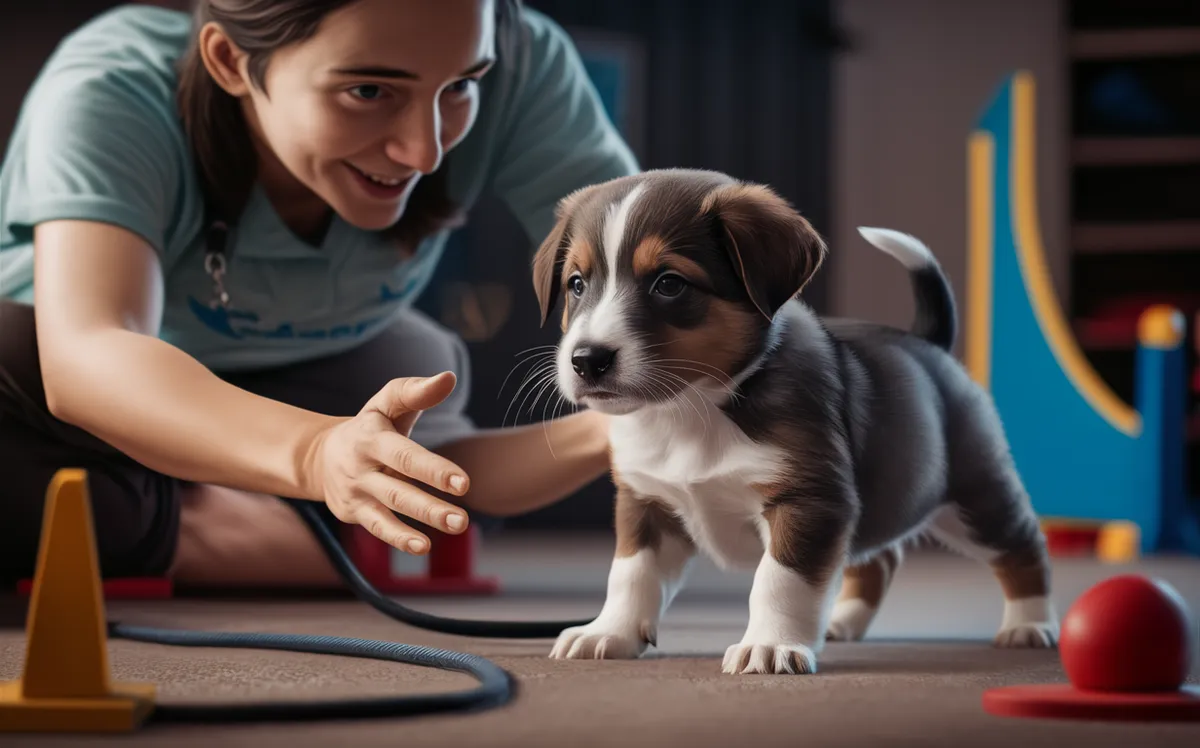
Puppy Board & Train: Establishing a Strong Foundation
Establishing a Strong Foundation for Lifelong Learning in Puppy Board and Train
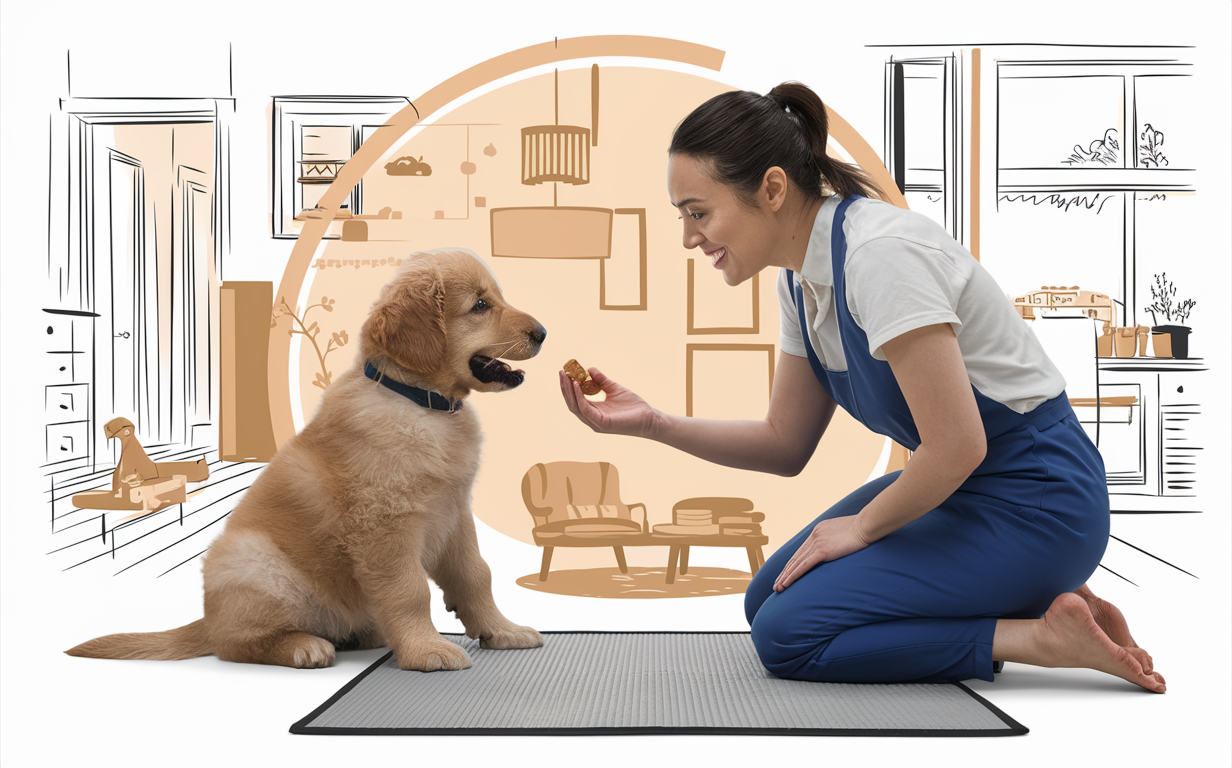
Establishing a strong foundation for lifelong learning in puppy board and train is essential for a well-behaved and happy dog. By focusing on foundational training early on, you can set your puppy up for success in all aspects of their life. This approach not only helps in obedience but also in socialization, behavior modification, and even specialized training like sports.
Key Takeaways
- Early training sets the stage for lifelong learning.
- Positive reinforcement builds trust and respect.
- Customized programs cater to individual puppy needs.
- Socialization is crucial for a well-rounded dog.
- Consistency and routine are keys to success.
Why Early Training Matters
Starting your puppy's training early is like laying the groundwork for a building. Just as a strong foundation is crucial for a sturdy structure, early training is vital for a well-behaved dog. Puppies are like sponges; they absorb new information quickly and are more adaptable to learning new behaviors and commands.
The Role of Positive Reinforcement
Positive reinforcement is the cornerstone of any successful training program. Rewards like treats, toys, and praise help puppies understand what behaviors are desirable. This method builds a strong bond between the puppy and the trainer, fostering trust and mutual respect. Positive reinforcement makes the learning experience enjoyable for the puppy, encouraging them to participate actively.
Customized Training Programs
Every puppy is unique, with its own set of needs, temperament, and learning pace. Customized training programs take these factors into account, ensuring that each puppy receives the attention and guidance they require. This personalized approach helps in addressing specific behavioral issues and accelerates the learning process.
Socialization: A Critical Component
Socialization is a critical aspect of puppy training. Exposing puppies to different environments, people, and other animals helps them become well-rounded and adaptable. Socialization reduces the likelihood of behavioral problems like aggression and anxiety. It also prepares puppies for various situations they may encounter throughout their lives.
Consistency and Routine
Consistency and routine are key elements in effective puppy training. Establishing a daily schedule for feeding, potty breaks, and training sessions helps puppies understand what is expected of them. Consistency reinforces learned behaviors and makes it easier for puppies to follow commands.
Sample Puppy Training Schedule
| Time | Activity | Duration |
|---|---|---|
| 7:00 AM | Morning Potty Break | 10 minutes |
| 7:15 AM | Feeding Time | 15 minutes |
| 7:30 AM | Training Session | 20 minutes |
| 8:00 AM | Playtime | 30 minutes |
| 12:00 PM | Afternoon Potty Break | 10 minutes |
| 12:15 PM | Training Session | 20 minutes |
| 1:00 PM | Nap Time | 1 hour |
| 6:00 PM | Evening Potty Break | 10 minutes |
| 6:15 PM | Feeding Time | 15 minutes |
| 6:30 PM | Training Session | 20 minutes |
| 7:00 PM | Playtime | 30 minutes |
| 9:00 PM | Night Potty Break | 10 minutes |
| 9:30 PM | Bedtime | - |
The Benefits of Puppy Board and Train Programs
Puppy board and train programs offer several advantages:
- Expert Guidance: Professional trainers have the expertise to address specific behavioral issues and implement effective training techniques.
- Focused Attention: Puppies receive one-on-one attention, ensuring that their unique needs are met.
- Structured Environment: A controlled environment helps puppies learn quickly and effectively.
- Quick Results: Intensive training programs often yield faster results compared to traditional training methods.
- Ongoing Support: Many programs offer continued support and follow-up sessions to reinforce learned behaviors.
Comparison of Training Methods
| Training Method | Pros | Cons |
|---|---|---|
| In-Home Training | Familiar environment, flexible schedule | Limited socialization, owner-dependent |
| Group Classes | Socialization, cost-effective | Less individualized attention, distractions |
| Board and Train | Expert guidance, structured environment | Higher cost, separation anxiety |
| Online Training Programs | Convenience, cost-effective | Requires self-discipline, no hands-on help |
Addressing Common Behavioral Issues
Puppy board and train programs are particularly effective in addressing common behavioral issues such as:
- Biting and Nipping: Puppies learn bite inhibition and appropriate play behavior.
- Potty Training: Establishing a consistent routine helps eliminate accidents.
- Separation Anxiety: Puppies become more comfortable being away from their owners.
- Leash Training: Proper leash manners are taught to prevent pulling and lunging.
- Basic Commands: Puppies learn essential commands like sit, stay, and come.
Essential Commands for Puppies
- Sit
- Stay
- Come
- Down
- Leave it
- Heel
- Watch me
Importance of Continued Learning
Training doesn’t stop once the board and train program is over. Continued learning and practice are crucial for maintaining the behaviors and commands learned during the program. Regular training sessions at home, along with periodic refresher courses, help reinforce learned behaviors and ensure that they become second nature to your puppy.
Building a Lifelong Bond
Training is not just about teaching commands; it's about building a lifelong bond between you and your puppy. The time spent training, playing, and interacting with your puppy strengthens your relationship and fosters mutual understanding. A well-trained puppy is more confident, happier, and more enjoyable to be around.
Seeking Professional Help
If you're facing challenges in training your puppy, seeking professional help is always a good idea. Professional trainers have the knowledge and experience to address various behavioral issues and can provide valuable insights and techniques to improve your puppy's behavior.
- According to AKC (American Kennel Club), puppy boarding and training is a popular choice for pet owners who cannot devote enough time to train their puppies due to work or other commitments. Source
- The National Association of Professional Pet Sitters (NAPPS) reports that boarding and training facilities offer structured training programs that can help puppies learn basic obedience commands, socialization skills, and good manners. Source
- A study published in the Journal of Applied Animal Welfare Science found that puppies who underwent board and train programs showed significant improvements in obedience training and socialization compared to puppies that were left at home with their owners. Source
- The cost of puppy boarding and training programs varies depending on the location, duration of stay, and training methods used. On average, pet owners can expect to pay between $1,500 to $3,000 for a 4-6 week program. Source
- Some boarding and training facilities offer additional services such as grooming, veterinary care, and behavior modification. These services can add to the overall cost of the program. Source
Conclusion
Establishing a strong foundation for lifelong learning in puppy board and train is essential for raising a well-behaved and happy dog. Early training, positive reinforcement, and customized programs tailored to individual needs play a crucial role in shaping your puppy's behavior and personality. By investing in a structured training program, you are setting your puppy up for success and building a lifelong bond based on trust and respect.
Key Takeaways Recap
- Early training sets the stage for a well-behaved dog.
- Positive reinforcement builds trust and respect.
- Customized programs cater to individual needs.
- Socialization is crucial for well-rounded behavior.
- Consistency and routine are key to successful training.
By following these principles and seeking professional help when needed, you can ensure that your puppy grows into a well-behaved and happy dog, making your life together more enjoyable and fulfilling.


