Transform Your Dog: Behavior Modification for Specific Issues in Adult Dog Board and Train
Behavior modification in adult dogs can be effectively addressed through specialized board and train programs, which offer intensive training for dogs with specific behavioral issues. At Cornerstone K9, we provide tailored solutions to improve your dog's behavior and ensure a harmonious relationship between you and your pet.
Key Takeaways
Behavior modification is essential for adult dogs with specific issues like anxiety, aggression, and obedience problems.
Board and train programs offer a structured environment for intensive training.
Expert trainers use positive reinforcement to address and correct behavioral issues.
A customized approach is crucial for each dog's unique needs and personality.
Post-training support ensures the lasting success of behavior modification.
What is Behavior Modification in Adult Dogs?
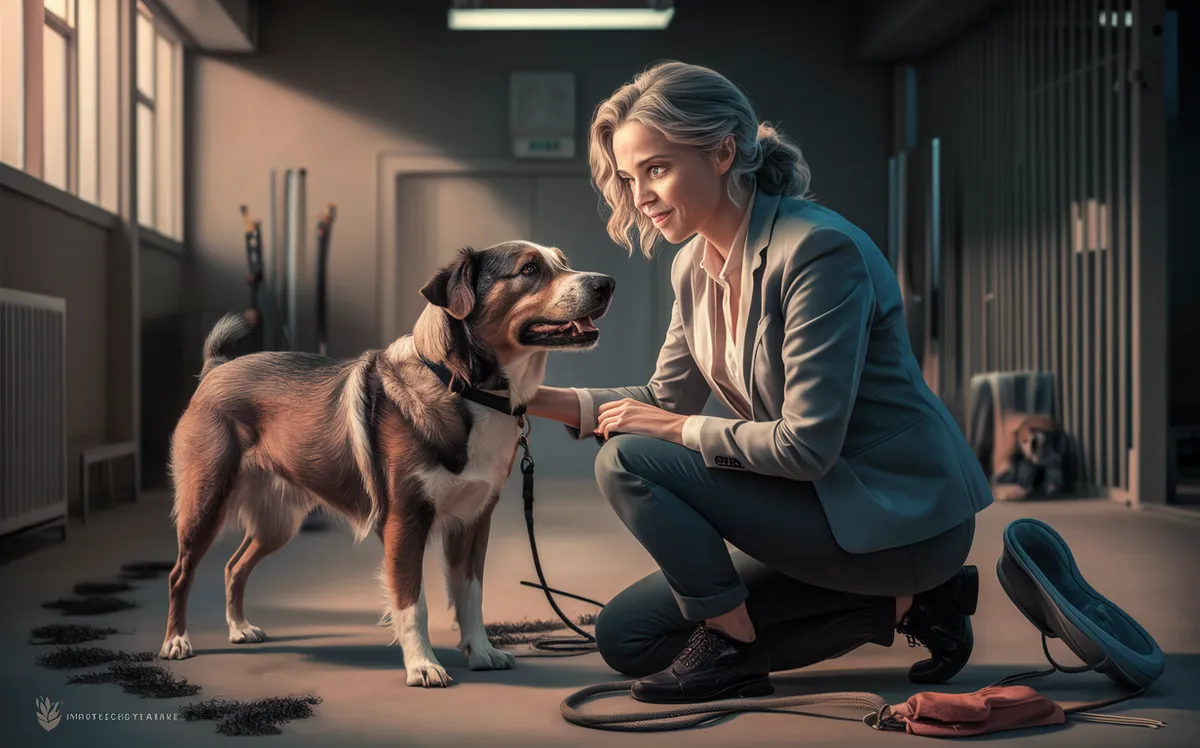
Behavior modification refers to the process of changing a dog's behavior through training techniques aimed at eliminating undesirable actions and encouraging positive behavior. Adult dogs often develop habits that can be challenging to correct, but with the right methods and a structured program, these issues can be addressed effectively.
Why Choose Board and Train for Behavior Modification?
Board and train programs offer an intensive, distraction-free environment where dogs can receive focused training from professional trainers. By living at the training facility temporarily, dogs are immersed in a consistent routine, which helps reinforce new behaviors and eliminate bad habits.
Benefits of a Structured Environment
The structured environment provided by a board and train program allows for continuous supervision and consistent reinforcement of desired behaviors. This approach is particularly beneficial for dogs with severe behavioral issues, as it minimizes the distractions and inconsistencies that can occur in a home setting.
Key Behavioral Issues Addressed in Adult Dogs
Aggression
Aggression in dogs can manifest in various ways, such as growling, snapping, or biting. Training professionals at Cornerstone K9 use positive reinforcement techniques to address aggression, helping dogs learn to react calmly and appropriately in stressful situations.
Anxiety
Anxiety in dogs often results in behaviors like excessive barking, destructive chewing, or nervous pacing. Through board and train programs, trainers can help dogs overcome anxiety by creating a secure environment and teaching coping mechanisms.
Obedience Problems
Many adult dogs struggle with obedience due to inadequate training in their earlier years. A customized board and train program can correct these issues by reinforcing commands and establishing a clear communication line between the dog and owner.
Positive Reinforcement Techniques
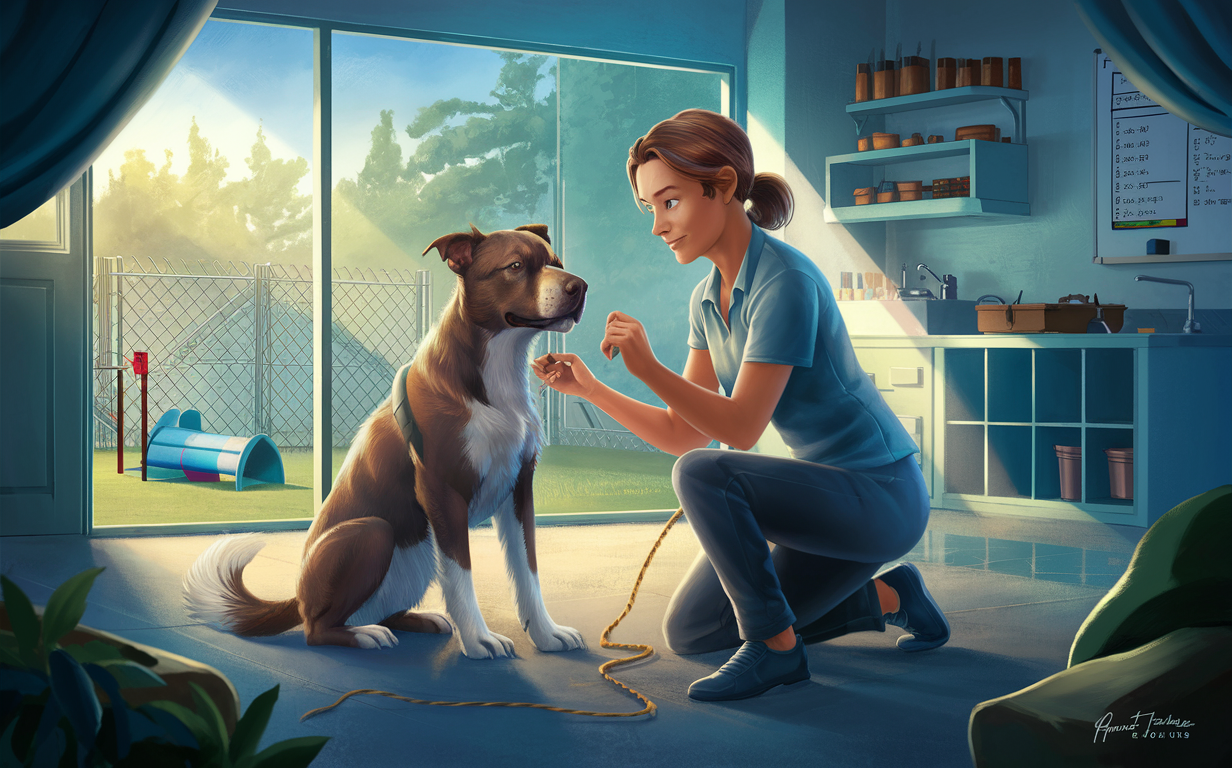
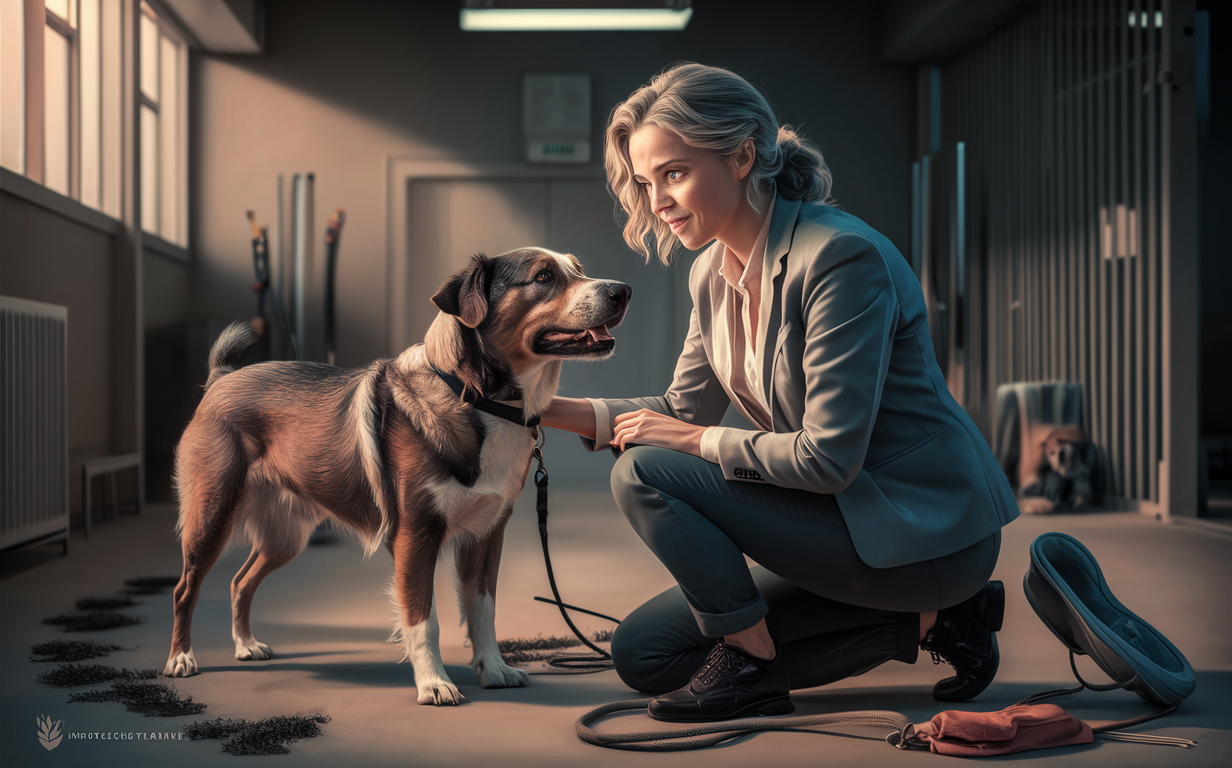
Positive reinforcement involves rewarding dogs for displaying desirable behaviors, making them more likely to repeat those actions. This technique is effective for behavior modification as it promotes learning in a stress-free and encouraging manner.
Examples of Positive Reinforcement
Treats and Praise: Rewarding dogs with treats or verbal praise immediately after they exhibit a desired behavior.
Clicker Training: Using a clicker to mark specific behaviors and then rewarding the dog.
Play and Affection: Incorporating playtime or affection as a reward for good behavior.
Customizing Training to Your Dog's Needs
Every dog is unique, and their training needs vary based on their personality, history, and specific behavioral issues. A personalized approach ensures that the training program addresses the root cause of the problem and provides long-lasting solutions.
Initial Consultation
An initial consultation allows trainers to assess your dog's behavior, understand your concerns, and develop a tailored training plan. This step is crucial for setting realistic goals and outlining the necessary steps to achieve them.
Consultation BenefitsDescriptionBehavioral AssessmentIdentifies specific issues and their triggersGoal SettingEstablishes clear and achievable objectivesPersonalized Training PlanDevelops a customized approach for your dog’s unique needsOwner InvolvementEnsures that owners are part of the training process for consistent results
The Role of Expert Trainers
Trainers play a pivotal role in the success of a board and train program. Their expertise and experience allow them to apply the right techniques and make adjustments based on the dog's progress.
Qualifications of Professional Trainers
Certified in Dog Training: Trainers should hold certifications from recognized organizations.
Experience with Behavior Issues: Proven track record in dealing with a variety of behavioral problems.
Knowledge of Positive Reinforcement: Skilled in using reward-based training methods.
Follow-Up and Post-Training Support
Successful behavior modification doesn't end when the board and train program is over. Follow-up support is crucial to ensure that the new behaviors are maintained and reinforced.
Importance of Ongoing Support
Regular Check-ins: Scheduled follow-up sessions to monitor progress and address any ongoing issues.
Owner Training: Educating owners on how to reinforce training at home.
Community Resources: Access to training materials and support groups for continuous improvement.
Practical Tips for Maintaining New Behaviors
Consistency is Key: Keep using the commands and techniques learned during training consistently.
Positive Reinforcement: Continue to reward good behavior to encourage its repetition.
Set Boundaries: Establish and maintain clear boundaries to prevent relapses.
Regular Exercise: Ensure your dog gets sufficient physical and mental stimulation.
Common Questions About Board and Train Programs
How Long Does a Board and Train Program Last?
The duration of a board and train program varies based on the dog's specific needs and behavioral issues. Programs typically range from 2 to 6 weeks, with more severe cases requiring longer stays.
What Should I Expect During the Program?
During the program, your dog will receive daily training sessions, exercise, and socialization activities. Trainers will provide regular updates on your dog's progress and involve you in the training process through scheduled visits or video calls.
Can Older Dogs Benefit from Board and Train?
Absolutely! While younger dogs may learn new behaviors faster, older dogs can still benefit from board and train programs. The key is a personalized approach that considers their unique needs and learning pace.
Choosing the Right Board and Train Program
Selecting the right board and train program for your dog involves careful consideration of several factors, including the trainer's qualifications, the training methods used, and the facility's environment.
Criteria for Selecting a Program
Trainer Credentials: Ensure that trainers are certified and experienced in behavior modification.
Training Philosophy: Opt for programs that use positive reinforcement techniques.
Facility Standards: The training environment should be clean, safe, and well-maintained.
Client Reviews: Check reviews and testimonials from previous clients to gauge the program's effectiveness.
CriteriaDescriptionTrainer CredentialsCertified and experienced trainersTraining PhilosophyPositive reinforcement methodsFacility StandardsClean, safe, and well-maintained environmentClient ReviewsPositive feedback from previous clientsPersonalized ApproachCustomized training plans tailored to each dog’s needsOngoing SupportPost-training follow-up and support
Behavior modification for adult dogs in board and train programs is a common practice to help address specific issues. According to the American Society for the Prevention of Cruelty to Animals (ASPCA), behavioral problems are the most common reason owners give up their dogs (ASPCA).
A study published in the Journal of Applied Animal Welfare Science found that 63% of dogs in a board and train program showed improvement in their behavior issues after training (Journal of Applied Animal Welfare Science).
Common behavior issues addressed in adult dog board and train programs include aggression towards other dogs, fear and anxiety, and house soiling (PetMD).
The cost of a behavior modification program at a board and train facility can range from $1,500 to $5,000 or more, depending on the length of the program and the specific issues being addressed (AKC).
It's important to note that behavior modification for adult dogs requires a significant time commitment and investment from the owner, even after the dog returns home from the board and train program. Consistency and follow-through are key to maintaining the progress made during training (ASPCA).
Conclusion
Behavior modification for specific issues in adult dogs is achievable through dedicated board and train programs. At Cornerstone K9, we pride ourselves on providing tailored solutions that address your dog's unique needs. Our experienced trainers use positive reinforcement techniques to ensure lasting results. By choosing a board and train program, you can look forward to a harmonious and fulfilling relationship with your furry friend.
For more information or to schedule a free consultation, contact Cornerstone K9 today. Let us help you bring out the best in your dog through effective behavior modification.


