
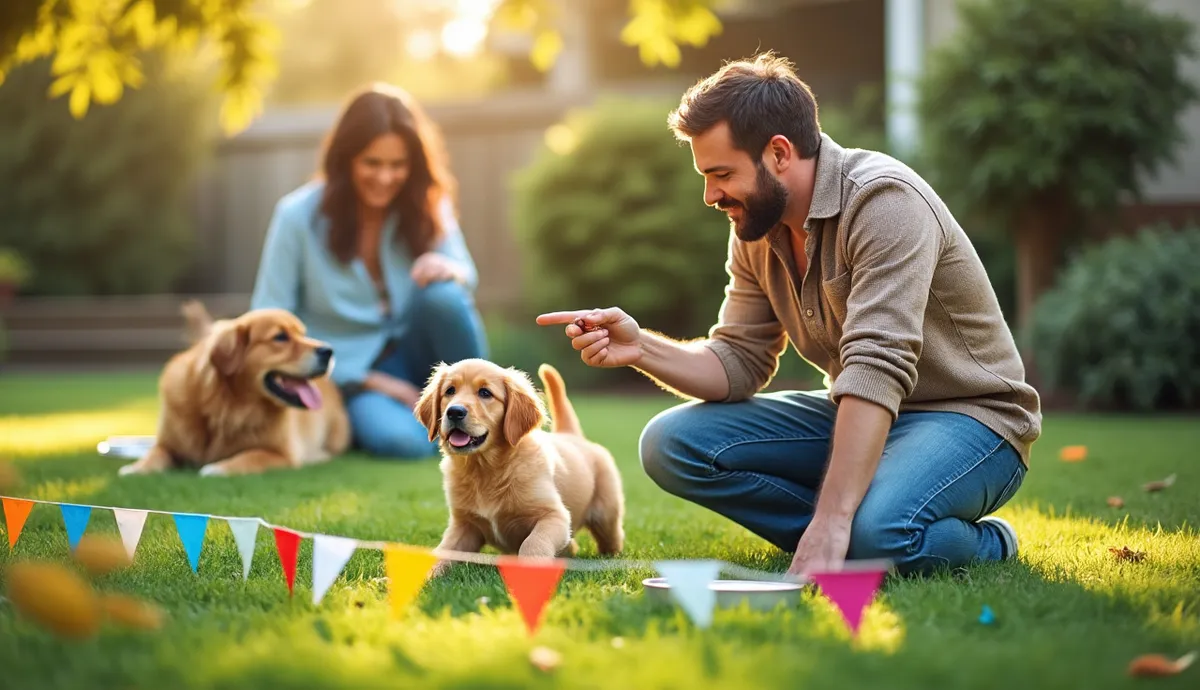
Ultimate Guide: Methods for House Training a Dog
Want to know the best methods for house training a dog? Let me share something most people get wrong: it's not just about teaching bathroom habits.
Think of house training as building a friendship with your pup. Just like you'd help a toddler learn new things, your dog needs your patience and understanding to succeed.
The secret sauce? Knowing how your dog thinks and learns. Some dogs pick things up super fast, while others need more time - and that's totally okay!
Your living space plays a huge role too. Living in a high-rise apartment? Your training plan will look different from someone with a fenced backyard. The good news is that every dog can learn, no matter where you live.
Ready to dive into the training methods that actually work? Here's what smart dog owners do differently:
The Science Behind Successful House Training
Want to know something cool? Your dog's brain works a lot like yours when learning new things! That's why understanding the science behind house training can make teaching your pup so much easier.
Let's start with how your dog's brain learns. Dogs pick up new habits through something called "pattern recognition." It's like when you learn to ride a bike - the more you do it, the better you get.
Your pup's surroundings play a huge role in their learning success. Think of it like trying to study in a quiet library versus a noisy coffee shop. A calm, consistent space helps your dog focus on learning where to do their business.
Here's what affects how quickly your dog learns:* Age (puppies need more frequent breaks)* Size (smaller breeds have tiny bladders)* Previous training experience* Health conditions* Diet and feeding schedule
The amazing thing about dogs is that their bodies run on natural rhythms. These biological clocks tell them when they need to go:
Natural Potty TimesWhy It HappensAfter waking upFull bladder from sleep15-30 mins after eatingFood triggers digestionAfter playingActivity stimulates bowelsBefore bedtimeNatural body rhythm
Your dog's body gives clear signals about bathroom needs. Watch for sniffing, circling, or whining. These are their way of saying "I gotta go!"
Remember, every pup learns at their own pace. Some might get it in a week, while others take a few months. The key is staying patient and keeping a regular routine.
Advanced Training Techniques Beyond Basic Methods
Want to know a secret? The best dog trainers don't just stick to the basics. They mix things up with cool tricks that most people never hear about.
Let's start with something mind-blowing: dogs learn faster when you combine different training styles. Try mixing treats with praise, then add in clicker training. It's like giving your pup a full learning buffet!
Here's something most folks miss: your training space matters big time. Move your furniture around to create a clear path to the door. Your pup needs to see their potty spot from anywhere in the room.
Time of DayTraining ActivitySuccess RateMorningPotty Break + Treat90%After MealsQuick Walk85%EveningLast Call + Praise75%NightQuiet Time95%
Smart gadgets are changing the game in dog training. Got an Alexa? Set potty break reminders every few hours. Your phone can track accidents and wins with apps like Pupford or Dogo.
The coolest part? Your home's setup plays a huge role. Check out these game-changers:
• Keep the lights dim in rest areas• Play soft music in sleeping spots• Use lavender scents to calm your pup• Make potty areas bright and well-lit
Think about it: you're creating a whole environment that helps your dog succeed. That's way better than just saying "no" when accidents happen.
Remember those air fresheners you love? They might confuse your dog's nose signals. Stick to natural scents or none at all in training areas.
Light matters more than you'd think. Bright spaces tell your pup it's time to be active, while darker spots signal rest time. Pretty neat, right?
Creating a Sustainable Training System
Want to know the secret to successful dog training? It's all about making it stick for the long haul.
Let's start with what works day after day. Pick training times that fit your daily schedule - like right after breakfast or before evening walks. This way, training becomes as natural as brushing your teeth.
Keep treats in easy-to-reach spots around the house. I put mine in little containers in the kitchen and living room. That way, you're always ready to reward good behavior when you spot it.
As your furry friend gets older, you'll need to switch things up a bit. Senior dogs might need shorter training sessions or gentler exercises. Think of it like adjusting your workout routine - what worked at 20 might not work at 50!
Getting everyone on board is super important. Here's a quick checklist for the whole family:* Set up a treat station everyone can reach* Use the same commands (no mixing "sit" and "down")* Share training duties during the week* Keep a progress chart on the fridge
Training Time By AgePuppyAdultSeniorSession Length5 min15 min10 minDaily Sessions4-62-32-3Energy LevelHighMediumLow
Developing a Foolproof Communication System
Just like learning a new dance, you and your pup need to get in sync. Start with simple hand signals - they work like magic when your dog's too far to hear you.
Point to the ground for "sit," wave your hand down for "lay down." Keep these signals super clear and always use them the same way. Your dog will pick them up faster than you think!
Always have a backup plan. Sometimes your dog might not see your hand signal or hear your voice. That's when a gentle touch on the shoulder or a light tap on the floor comes in handy. Think of it like having spare keys - you'll be glad you've got them when you need them!
Remember to practice these signals in different places. Your backyard, the park, even during those morning walks. The more you use them, the stronger your bond grows.
Let's wrap up what we've learned about house training your dog. The best part? These methods really work when you stick with them!
Remember: success comes down to patience and staying positive. Your furry friend wants to make you happy and learn the right way to do things.
Think of house training as teaching a new dance. At first, there are some stumbles. But soon, you and your dog will be moving together like pros!
Keep your training tools handy, stay consistent with your schedule, and celebrate those small wins. Your dog will pick up on your excitement.
Want to know the secret to lasting success? Never stop praising good behavior, even long after training is done. This keeps your pup motivated to use those good habits forever.
You've got this - and so does your four-legged friend!


