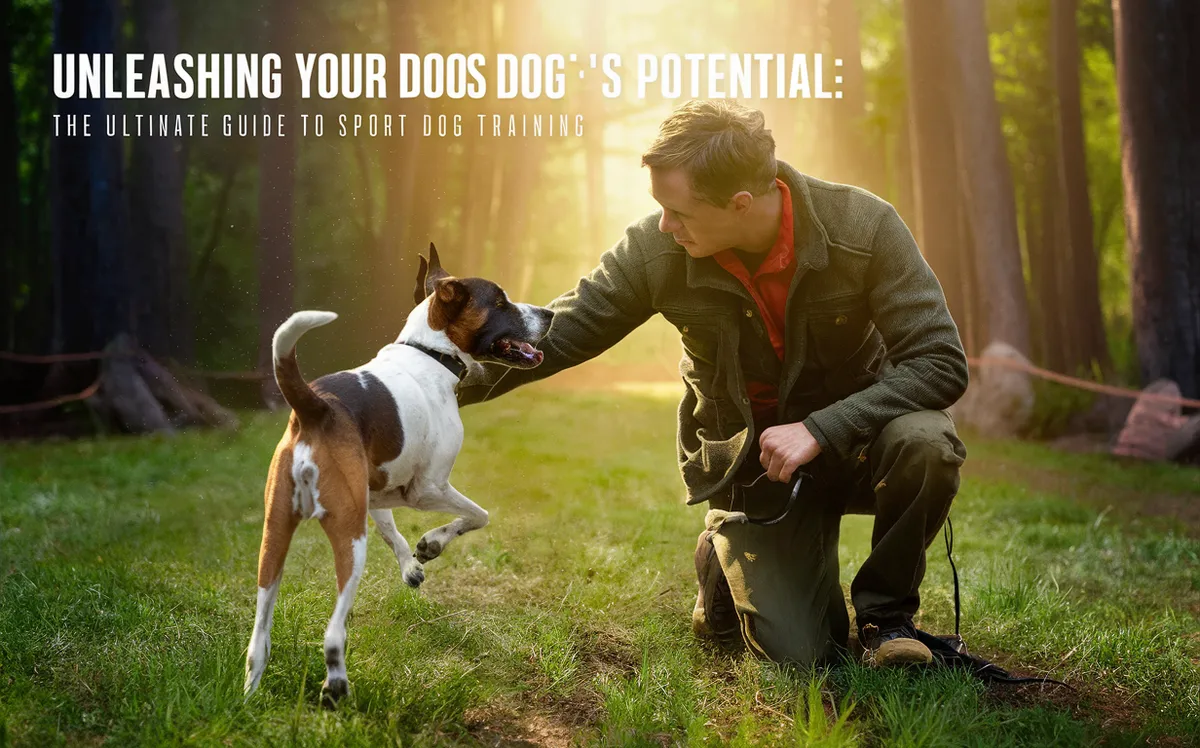
Unleashing Your Dog's Potential: The Ultimate Guide to Sport Dog Training
Are you interested in taking your dog's training to the next level and exploring the exciting world of sport dog training? Whether you're an experienced dog owner or just starting out, sport dog training can provide a fun and rewarding experience for both you and your furry companion. In this comprehensive guide, we'll dive into the basics of sport dog training, explore different sports and activities, and provide tips and techniques to help you and your dog excel.
Key Takeaways
- Sport dog training involves teaching dogs specific skills and behaviors for sports and competitions
- Popular dog sports include agility, obedience, tracking, flyball, disc dog, and more
- Training requires patience, consistency, positive reinforcement, and a strong bond between dog and handler
- The right equipment, such as agility obstacles, tracking harnesses, and training dummies, is essential
- Working with a professional trainer can help you and your dog progress faster and avoid common mistakes
What is Sport Dog Training?
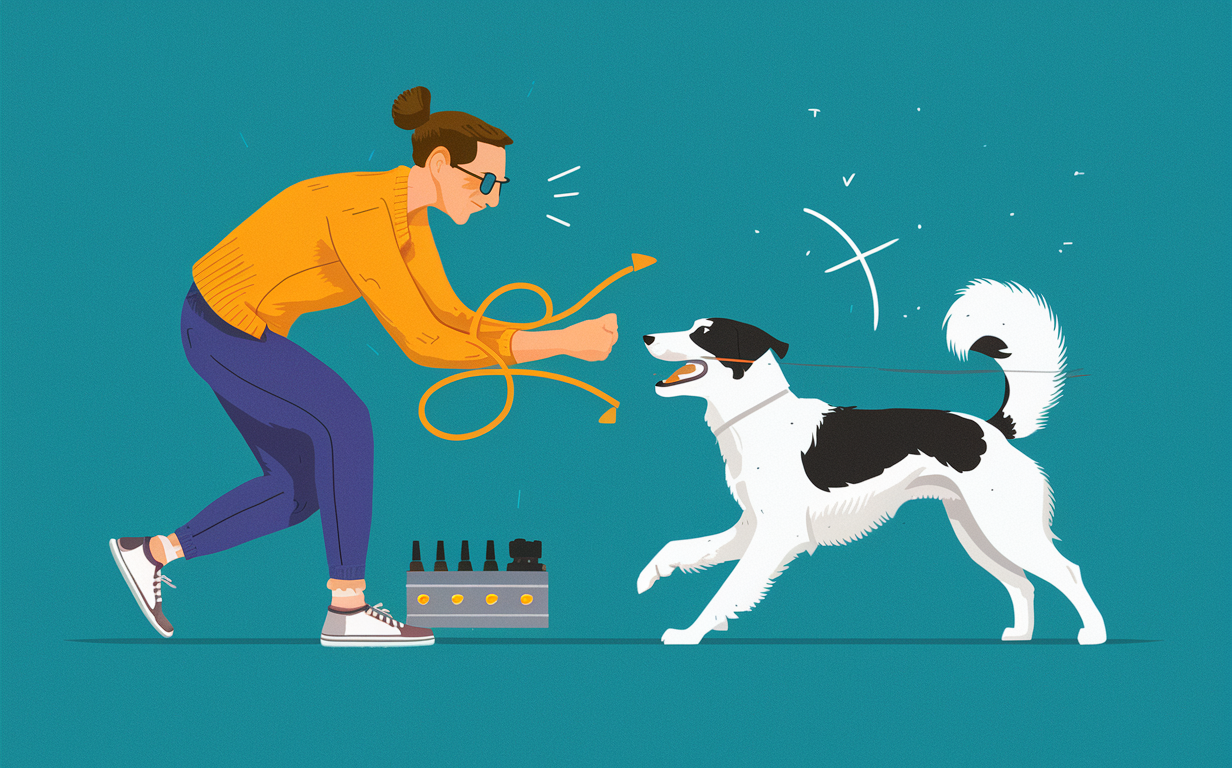
Sport dog training refers to the process of teaching dogs specific skills and behaviors that are required for participating in various dog sports and competitions. Unlike basic obedience training, which focuses on essential commands like sit, stay, and come, sport dog training involves more advanced and specialized training tailored to the specific sport or activity.
The goal of sport dog training is to develop a strong working relationship between the dog and the handler, as well as to enhance the dog's physical and mental abilities. Through positive reinforcement, repetition, and consistency, dogs learn to perform complex tasks and navigate challenging obstacles with precision and enthusiasm.
Benefits of Sport Dog Training
Engaging in sport dog training offers numerous benefits for both dogs and their owners:
| Benefits for Dogs | Benefits for Owners |
|---|---|
| Provides mental and physical stimulation | Strengthens the bond with your dog |
| Improves obedience and focus | Offers a fun and rewarding hobby |
| Boosts confidence and socialization skills | Promotes physical fitness and outdoor activity |
| Channels energy and reduces destructive behaviors | Provides opportunities for socialization with other dog enthusiasts |
Popular Dog Sports and Activities
There are many different dog sports and activities to choose from, each with its own unique set of challenges and rewards. Some popular options include:
Agility
Agility is a fast-paced sport where dogs navigate an obstacle course, following their handler's cues. The course typically includes jumps, tunnels, weave poles, and other obstacles that test the dog's speed, coordination, and obedience.
Obedience
Obedience trials showcase a dog's ability to perform a series of precise behaviors, such as heeling, retrieving, and staying, in response to the handler's commands. This sport emphasizes the importance of clear communication and teamwork between dog and handler.
Tracking
In tracking events, dogs use their powerful sense of smell to follow a scent trail and locate specific objects or people. This sport is often used in real-world applications, such as search and rescue operations and law enforcement.
Flyball
Flyball is a relay race where teams of dogs race against each other, jumping over hurdles to retrieve a tennis ball from a spring-loaded box. The first team to have all its dogs complete the course without errors wins.
Disc Dog
Disc dog, also known as frisbee dog, involves dogs catching flying discs thrown by their handlers. This sport combines elements of agility, obedience, and freestyle, and is a great way to showcase a dog's athleticism and coordination.
Getting Started with Sport Dog Training
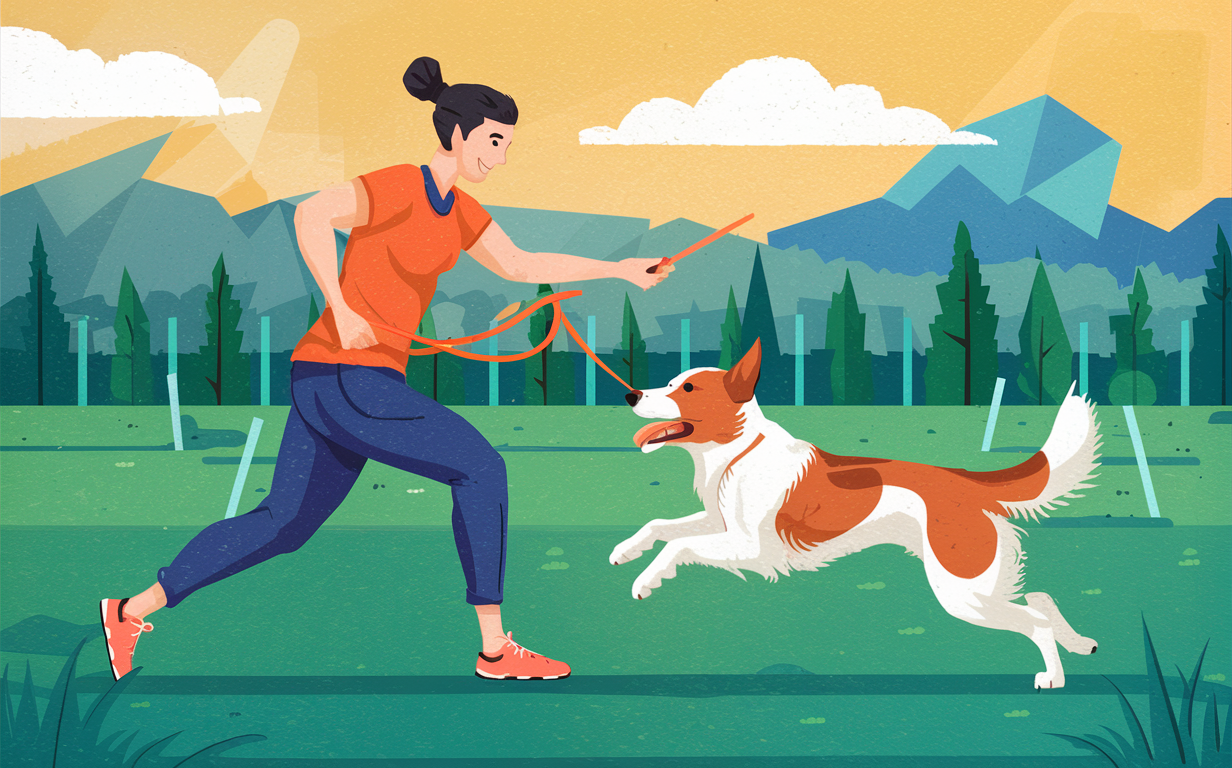
If you're interested in getting started with sport dog training, here are some steps to help you begin:
- Choose a sport or activity: Research different dog sports and activities to find one that aligns with your interests and your dog's strengths and personality.
- Start with basic obedience: Before diving into sport-specific training, make sure your dog has a solid foundation in basic obedience commands, such as sit, stay, come, and heel.
- Find a training club or group: Look for local training clubs or groups that specialize in your chosen sport. These organizations often offer classes, workshops, and competitions for handlers and their dogs.
- Invest in the right equipment: Depending on the sport, you may need specific equipment, such as agility obstacles, tracking harnesses, or training dummies. Research the necessary gear and invest in high-quality, durable items.
- Work with a professional trainer: Consider working with a professional trainer who has experience in your chosen sport. They can provide valuable guidance, feedback, and support as you and your dog progress in your training.
Training Tips and Techniques
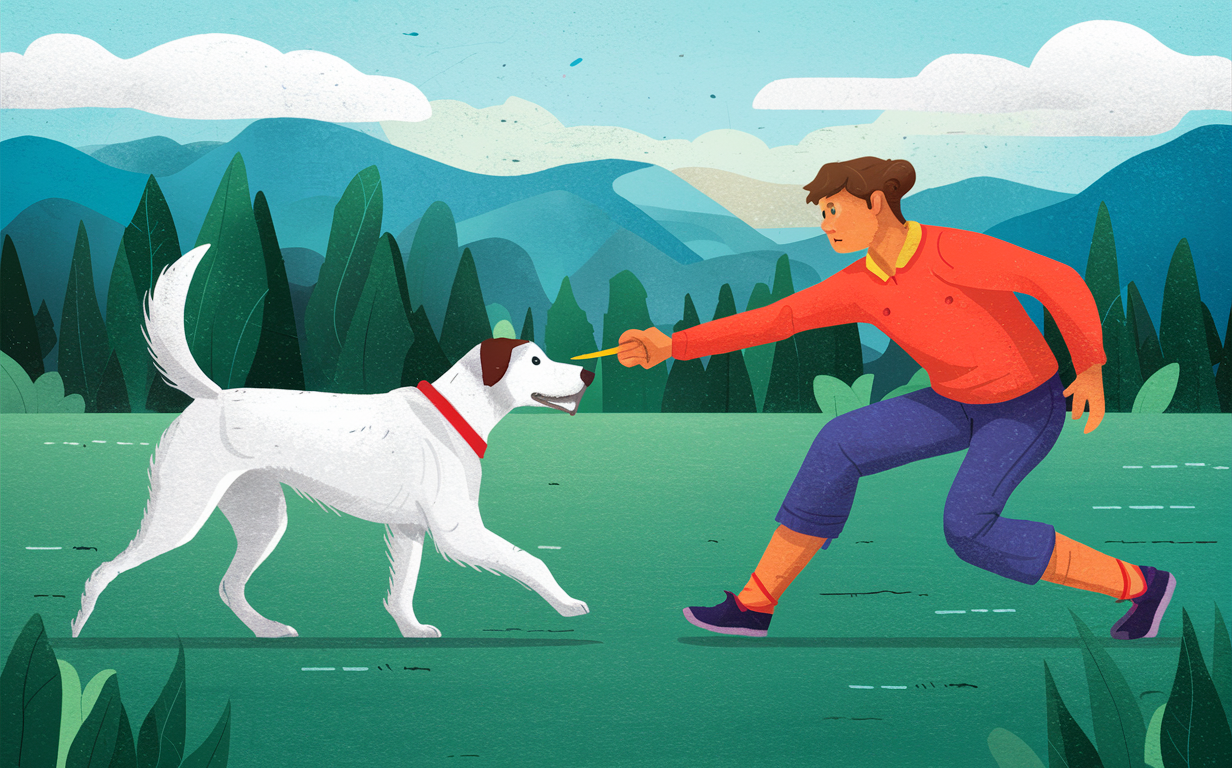
To help you and your dog succeed in sport dog training, keep these tips and techniques in mind:
- Use positive reinforcement: Reward your dog for good behavior and successful completion of tasks with treats, praise, and playtime. Avoid punishment or harsh corrections, as these can damage your relationship and hinder progress.
- Break tasks into smaller steps: When teaching a new skill or behavior, break it down into smaller, manageable steps. This approach, known as shaping, allows your dog to learn at their own pace and builds confidence.
- Practice consistently: Regular practice sessions are essential for mastering new skills and maintaining existing ones. Aim for short, frequent training sessions rather than long, sporadic ones.
- Vary your training locations: To help your dog generalize their skills, practice in different locations and environments, such as parks, beaches, and indoor spaces.
- Keep training sessions fun and engaging: Incorporate play and variety into your training sessions to keep your dog motivated and excited about learning.
Importance of a Strong Bond
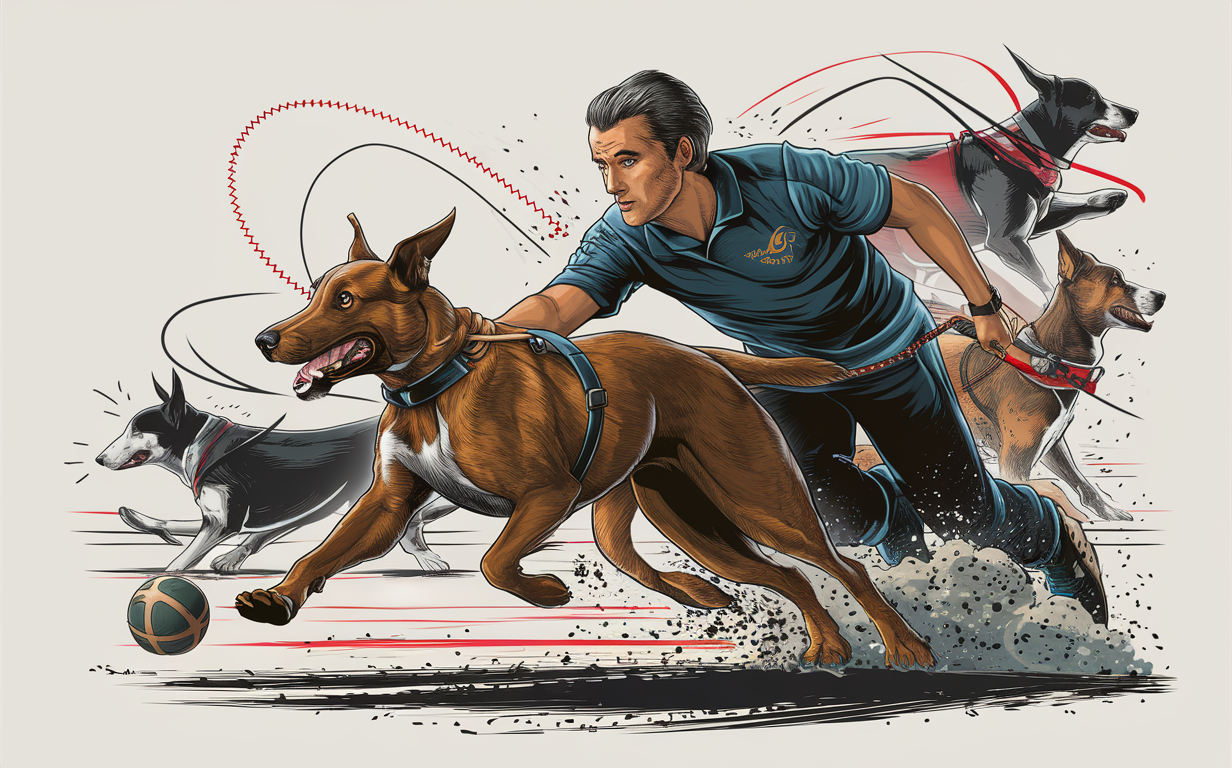
At the heart of successful sport dog training is a strong, trusting bond between the dog and the handler. This bond is built through consistent, positive interactions, both during training sessions and in everyday life.
Some ways to strengthen your bond with your dog include:
- Spending quality time together: Engage in activities your dog enjoys, such as playing fetch, going for walks, or cuddling on the couch.
- Being a fair and consistent leader: Set clear boundaries and expectations for your dog, and follow through with them consistently.
- Providing mental and physical stimulation: Keep your dog's mind and body engaged with puzzle toys, training games, and plenty of exercises.
- Showing affection and appreciation: Regularly express your love and appreciation for your dog through gentle petting, verbal praise, and quality time together.
Conclusion
Sport dog training is a rewarding and exciting journey that can deepen the bond between you and your dog while unlocking their full potential. By choosing a sport or activity that suits your interests and your dog's strengths, investing in the right equipment, and working with a professional trainer, you can set yourself up for success.
Remember to approach training with patience, consistency, and a positive attitude, and always prioritize your dog's well-being and happiness. With dedication and practice, you and your dog can achieve great things together in the world of sport dog training.
Take the Next Step with Cornerstone K9
At Cornerstone K9, we are passionate about helping dogs and their owners unleash their full potential through expert training and guidance. Our experienced trainers specialize in a variety of dog sports and activities, including:
Whether you're just starting out or looking to take your skills to the next level, we offer a range of training programs tailored to your needs and goals. From private lessons to board and train options, our team is dedicated to providing the highest quality training and support for you and your dog.
Don't wait to start your sport dog training journey. Contact Cornerstone K9 today to schedule a consultation and take the first step towards unleashing your dog's potential.


