Unlock Success: Immersive Training Environment for Puppies in Board and Train
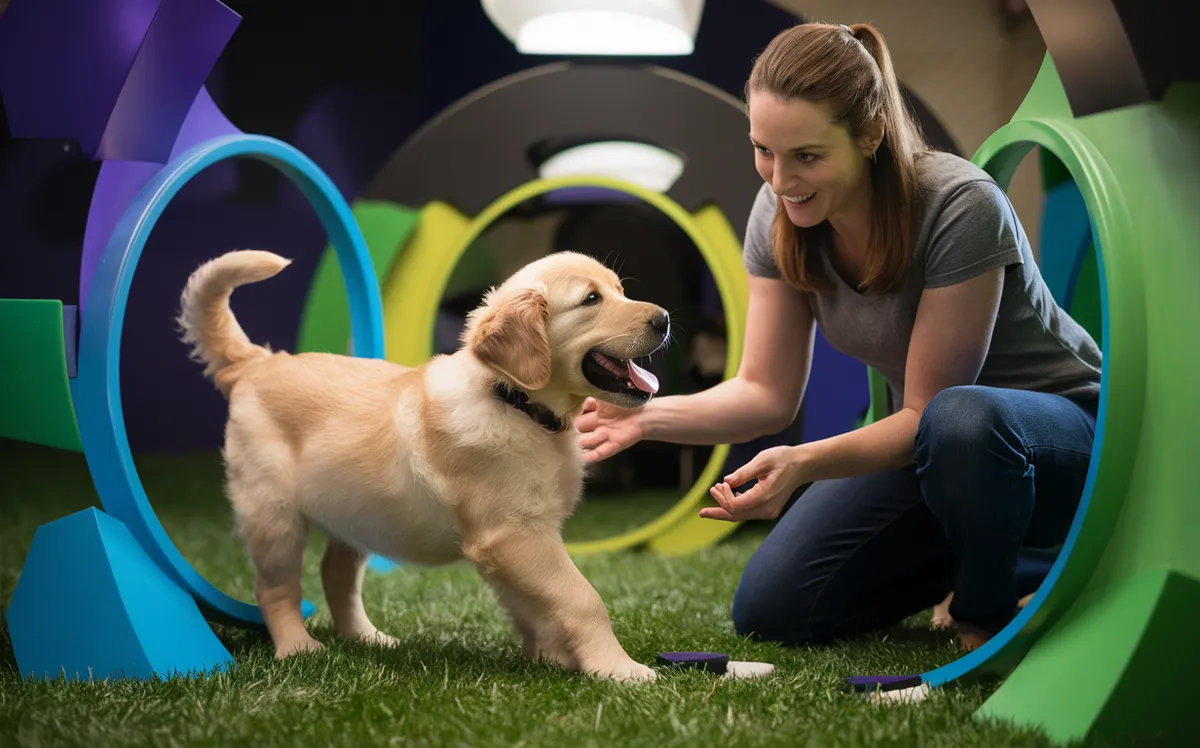
If you're looking for an effective way to train your puppy, an immersive training environment in a board and train program can be a game-changer. These programs offer a structured, focused setting where your puppy can learn essential skills and behaviors, setting them up for a lifetime of good habits.
Key Takeaway
- Board and Train Programs provide a structured and immersive environment ideal for puppy training.
- Immersive Training helps puppies focus better without the distractions of home life.
- Professional Trainers use proven techniques and methodologies to ensure effective learning.
- Customized Training Plans match each puppy's unique needs and personality.
Why Choose an Immersive Training Environment for Puppies In Board And Train?
Choosing an immersive training environment for your puppy through a board and train program offers numerous benefits. By removing the puppy from their usual surroundings, it eliminates distractions and allows them to focus solely on learning and training.
Benefits of an Immersive Training Environment
- Focused Training Sessions: Puppies are more likely to concentrate on learning without the familiar distractions of home.
- Consistency and Routine: Regular schedules create a structured learning environment.
- Professional Guidance: Experienced trainers use tested methods to teach commands and behaviors.
- Socialization: Puppies interact with other dogs, improving their social skills.
- Customized Learning: Training plans tailored to each puppy's individual needs.
How Does a Board and Train Program Work?
In a board and train program, puppies stay at a training facility for a set period, typically between two to four weeks. During this time, they receive intensive training from professional trainers. The environment is designed to be immersive, with daily routines that focus on various aspects of training, including obedience, behavior modification, and socialization.
Typical Daily Routine
| Time | Activity |
|---|---|
| 7:00 AM | Morning Walk and Potty Break |
| 8:00 AM | Breakfast |
| 9:00 AM | Training Session 1 |
| 11:00 AM | Playtime and Socialization |
| 12:00 PM | Lunch Break |
| 1:00 PM | Training Session 2 |
| 3:00 PM | Rest and Relaxation |
| 4:00 PM | Training Session 3 |
| 6:00 PM | Dinner |
| 7:00 PM | Evening Walk and Potty Break |
| 8:00 PM | Wind Down and Free Play |
| 9:00 PM | Bedtime |
Comprehensive Training Programs
Basic Obedience
Training covers essential commands such as sit, stay, come, and leave it. Puppies learn to respond to these commands reliably, even under distractions.
Behavior Modification
Addressing issues such as excessive barking, chewing, and jumping. Trainers use positive reinforcement techniques to replace unwanted behaviors with desirable ones.
Socialization Skills
Interaction with other dogs and people is encouraged to help puppies develop good social skills. This is crucial for reducing anxiety and preventing aggressive behavior.
The Role of Professional Trainers
Professional trainers play a vital role in the success of an immersive training environment. They bring expertise, patience, and a deep understanding of canine behavior. By using positive reinforcement methods, they can effectively teach puppies new skills and correct behavioral issues.
Positive Reinforcement Techniques
- Treats and Rewards: Used to encourage desired behaviors.
- Clicker Training: A clicker signals the puppy that they performed a desired behavior, followed by a treat.
- Praise and Affection: Verbal praise and petting reinforce good behavior.
Benefits of Positive Reinforcement
- Builds a strong bond between the puppy and the trainer.
- Encourages a positive learning experience.
- Reduces stress and anxiety in puppies.
Tailored Training Plans
Each puppy is unique, and their training plan should reflect that. Tailored training plans consider the puppy's breed, temperament, and any specific behavioral issues. This personalized approach ensures that each puppy gets the attention and guidance they need to succeed.
Preparing for a Board and Train Program
Before enrolling your puppy in a board and train program, it's essential to prepare both yourself and your puppy for the experience.
Checklist for Preparation
- Vet Check: Ensure your puppy is healthy and up-to-date on vaccinations.
- Pack Essentials: Include your puppy's favorite toys, bedding, and any necessary medications.
- Set Goals: Discuss specific goals and concerns with the trainers.
FAQs About Immersive Training Environments
- How long does a board and train program last? Programs typically last between two to four weeks, depending on the puppy's needs and the training objectives.
- Will my puppy forget me during the program? No, the bond between you and your puppy will remain strong. The program aims to enhance that bond through better behavior and obedience.
- What happens after the program ends? Trainers will provide detailed instructions and guidance to ensure a smooth transition back home. Follow-up sessions may also be available to reinforce training.
Comparison of Training Techniques
| Technique | Description | Benefits |
|---|---|---|
| Positive Reinforcement | Reward-based training to encourage desired behaviors | Builds strong bond, reduces stress, effective long-term |
| Clicker Training | Uses a clicker to mark desired behaviors, followed by a treat | Precise and quick communication, effective for all ages |
| Operant Conditioning | Uses rewards and consequences to shape behavior | Can be tailored to individual dogs, effective behavior change |
| Desensitization | Gradually exposing dogs to triggers to reduce fear or aggression | Effective for behavior modification, reduces anxiety |
- According to a study published in the Journal of Veterinary Behavior, immersive training environments can help reduce anxiety and aggression in puppies during boarding (Source).
- Another study from the University of Pennsylvania found that puppies who underwent structured training programs while boarding showed significant improvements in obedience and socialization skills (Source).
- Immersive training environments for puppies in board and train programs often include group play sessions, individual training sessions, and structured activities designed to stimulate their minds and bodies (Source).
- Group play sessions allow puppies to socialize with other dogs and learn important social skills, while individual training sessions help address specific behavioral issues (Source).
- Structured activities, such as puzzle toys and scent games, can help keep puppies mentally stimulated and reduce boredom while they're away from home (Source).
Conclusion
An immersive training environment for puppies in a board and train program offers a structured, focused, and effective approach to training. With the guidance of professional trainers and the use of positive reinforcement techniques, your puppy can learn essential skills and behaviors that will last a lifetime.
If you're ready to provide your puppy with the best possible start, consider enrolling them in a board and train program. It's an investment in their future and your peace of mind.
Key Takeaway Reminder
- Structured Environment: Removes distractions for focused learning.
- Professional Trainers: Use proven, positive reinforcement techniques.
- Customized Plans: Tailored to each puppy's unique needs.
- Socialization Opportunities: Improves interactions with other dogs and people.
- Real-Life Success Stories: Demonstrate the effectiveness of these programs.
Choosing an immersive training environment for your puppy can be the key to a harmonious and fulfilling relationship with your furry friend.


