

Unlock Success: Initial Consultation and Goal Setting for Private Dog Training
Private dog training offers a personalized approach to addressing your dog's specific needs. The initial consultation and goal setting are vital steps that set the stage for a successful training journey.
During the initial consultation, a professional trainer evaluates your dog's behavior, listens to your concerns, and collaborates with you to establish realistic training goals. This process ensures that the training is tailored to your dog's unique personality and your specific objectives.
Key Takeaways
- Initial consultation is crucial to understand your dog's behavior and needs.
- Goal setting helps in creating a customized training plan.
- Professional trainers use positive reinforcement techniques to build trust.
- The process involves evaluating behavior, discussing concerns, and setting achievable objectives.
Understanding the Initial Consultation
What to Expect During the Consultation
The initial consultation is the foundation of private dog training. During this session, the trainer will assess your dog’s behavior, temperament, and current training level. This evaluation helps identify any behavioral issues that need addressing.
Common Behavioral Assessments in Initial Consultation
| Behavioral Aspect | Example Behaviors | Importance |
|---|---|---|
| Social Interaction | How your dog interacts with people | Identifies socialization needs |
| Obedience | Response to basic commands | Assess current obedience level |
| Aggression | Signs of aggression or fear | Determines need for behavior modification |
| Anxiety | Signs of separation anxiety | Helps in creating a calming environment |
Key Questions from Trainers
Trainers often ask questions to get a comprehensive understanding of your dog's history and current behavior. These questions can cover a range of topics, including your dog's daily routine, diet, exercise habits, and any previous training experiences.
Owner’s Role in the Consultation
As an owner, your input is invaluable during the initial consultation. Be prepared to share detailed information about your dog’s behavior and any specific concerns you have. This open communication helps the trainer to design an effective training plan.
Setting Realistic Training Goals
Importance of Goal Setting
Setting realistic training goals is essential for measuring progress and achieving success. These goals should be specific, measurable, achievable, relevant, and time-bound (SMART).
Examples of SMART Goals in Dog Training
| Goal Type | Specific Goal | Measurement Criteria | Timeline |
|---|---|---|---|
| Basic Obedience | Teach "sit" and "stay" commands | Dog obeys 90% of the time | 4 weeks |
| Behavior Modification | Reduce leash aggression | No aggressive behavior during walks | 3 months |
| Advanced Training | Complete agility course | Successfully completes the course | 6 months |
| Socialization | Comfortable around other dogs | No signs of fear or aggression in groups | 2 months |
Collaborating with the Trainer
Effective goal setting involves collaboration between the owner and the trainer. Discuss your expectations and listen to the trainer’s professional insights. They can provide recommendations based on their experience and knowledge.
Examples of Common Training Goals
- Basic obedience: Teaching commands like sit, stay, and come.
- Behavior modification: Addressing issues like aggression, separation anxiety, or excessive barking.
- Leash training: Ensuring your dog walks calmly on a leash without pulling.
- Socialization: Helping your dog become comfortable with other dogs and people.
The Role of Positive Reinforcement
Why Positive Reinforcement Works
Positive reinforcement is a key method used in dog training. It involves rewarding desirable behavior to encourage repetition. This approach builds trust and strengthens the bond between you and your dog.
Techniques and Tools
Common techniques include using treats, praise, and playtime as rewards. Tools like clickers can also be used to mark desired behaviors, making it clear to the dog what actions are being rewarded.
Behavioral Improvements with Positive Reinforcement
Positive reinforcement can lead to significant improvements in behavior. Dogs learn to associate good behavior with positive outcomes, making them more likely to repeat those behaviors.
Personalized Training Plans
Tailoring the Training to Your Dog's Needs
Each dog is unique, and so is their training plan. Trainers create personalized plans based on the initial consultation and goal-setting process. These plans take into account your dog’s age, breed, temperament, and any specific behavioral issues.
Adjusting the Plan as Needed
Training plans are not set in stone. They can be adjusted based on your dog's progress and any new challenges that arise. Regular check-ins with the trainer help ensure that the plan remains effective.
List: Benefits of a Personalized Training Plan
- Addresses individual behavioral issues
- Tailored to your dog's learning pace
- Focuses on specific goals
- Provides flexibility to adjust as needed
- Enhances the bond between owner and dog
The Importance of Consistency
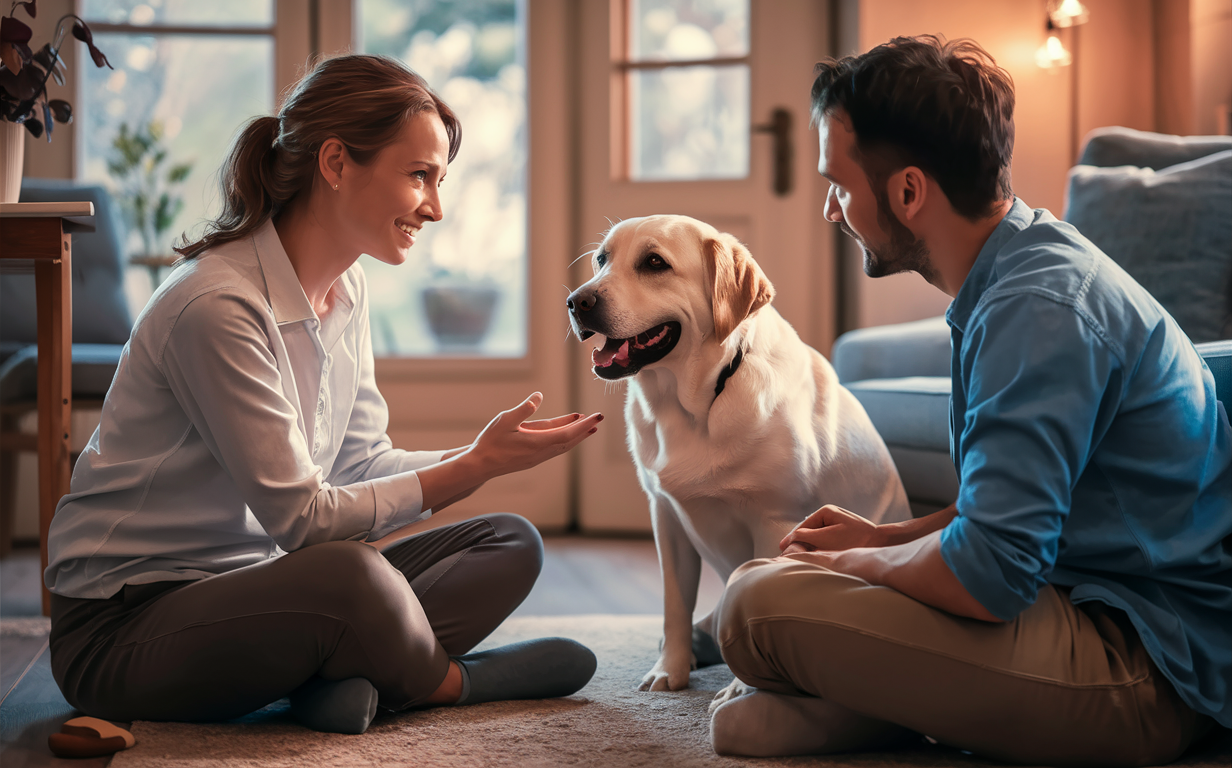
Consistent Training Leads to Success
Consistency is crucial in dog training. Regular practice and reinforcement of commands help solidify your dog's learning. Ensure that all family members are on the same page and follow the same training methods.
Maintaining a Training Schedule
A consistent training schedule helps your dog understand what is expected of them. Incorporate short training sessions into your daily routine to keep your dog engaged and reinforce learning.
Dealing with Setbacks
Setbacks are a normal part of the training process. If your dog regresses or faces new challenges, communicate with your trainer. They can provide guidance and adjust the training plan to address these issues.
Evaluating Progress and Adjusting Goals

Regular Progress Assessments
Regular assessments help track your dog's progress and determine if the training goals are being met. These assessments can be done through follow-up sessions with the trainer or self-assessments at home.
Celebrating Milestones
Celebrate your dog's achievements, no matter how small. Positive reinforcement applies to owners too! Recognizing progress keeps you motivated and reinforces your commitment to the training process.
Revising Training Goals
As your dog progresses, you may need to revise your training goals. This can involve setting new challenges or addressing any ongoing behavioral issues. Continuous goal setting ensures ongoing improvement and development.
- Initial Consultation: According to a survey by the International Association of Canine Professionals (IACP), 85% of dog trainers offer a free initial consultation (source). This consultation allows trainers to assess the dog's behavior, temperament, and the owner's goals and expectations.
- Goal Setting: In a study published in the Journal of Applied Animal Welfare Science, setting specific and measurable training goals was found to be effective in improving dog behavior (source).
- Importance of Clear Goals: A survey of dog owners by the American Society for the Prevention of Cruelty to Animals (ASPCA) found that 63% of dog owners reported their dogs had behavior problems (source). Clear goals can help trainers and owners address these issues effectively.
- Benefits of Private Dog Training: A study published in the Journal of Veterinary Behavior found that private dog training was more effective than group training in improving behavior problems (source).
Practical Tips for Owners
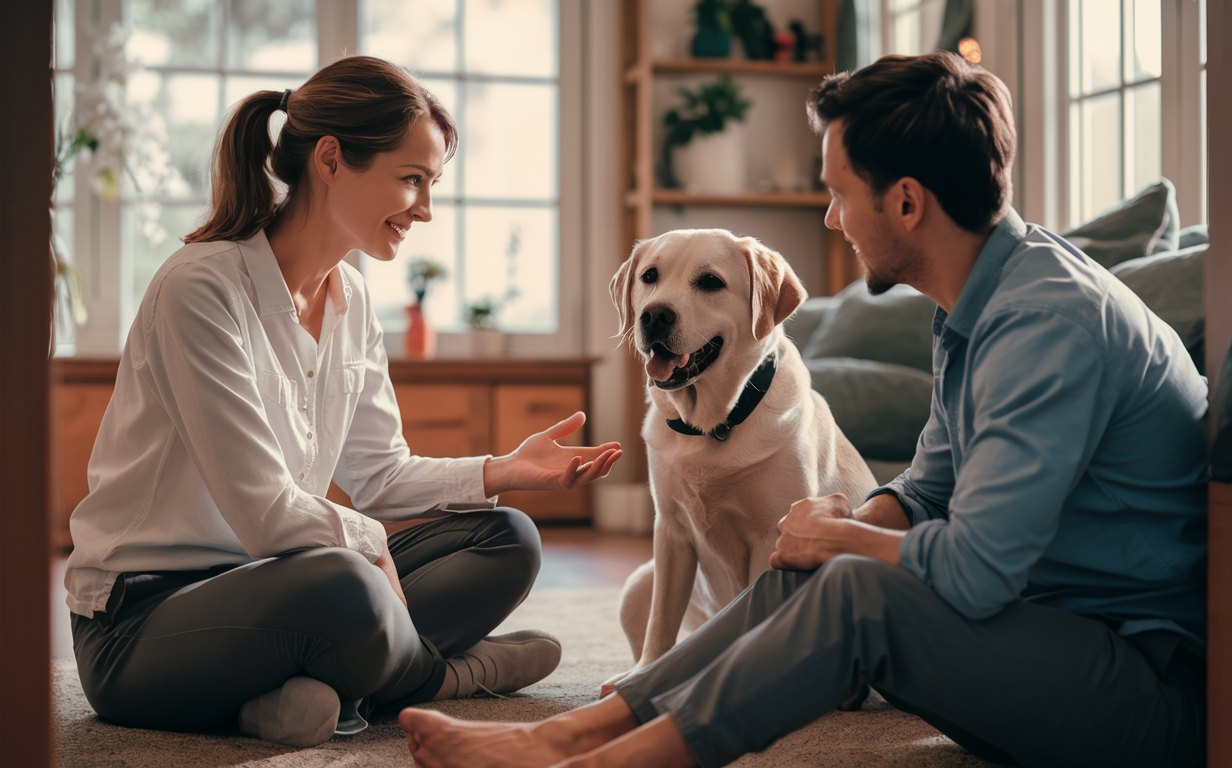
Preparing for the Initial Consultation
- Gather information about your dog’s behavior and routine.
- List any specific concerns or problematic behaviors.
- Be prepared to discuss your dog's history and previous training experiences.
During the Consultation
- Be honest and open with the trainer.
- Ask questions to understand the training process.
- Take notes on the trainer’s recommendations and advice.
Post-Consultation Steps
- Follow the training plan provided by the trainer.
- Maintain consistent training sessions.
- Monitor your dog’s progress and communicate with the trainer as needed.
Key Takeaways for Dog Owners
- Initial consultation is the first step in understanding your dog's needs.
- Goal setting ensures training is tailored to your objectives.
- Consistency and positive reinforcement are key to successful training.
- Personalized plans and regular assessments help track and adjust progress.
Private dog training starts with a thorough initial consultation and goal setting. This process lays the groundwork for a successful training journey, ensuring that your dog receives the attention and guidance they need to thrive. By working closely with a professional trainer and maintaining consistency, you can achieve lasting improvements in your dog’s behavior and strengthen your bond with your furry friend.
By focusing on the initial consultation and goal setting, this article provides a detailed and unique perspective on the private dog training process. The practical insights and real-life success stories add value and originality, making it a valuable resource for dog owners seeking effective training solutions.


