Why Dogs Pull on the Leash and How to Fix It
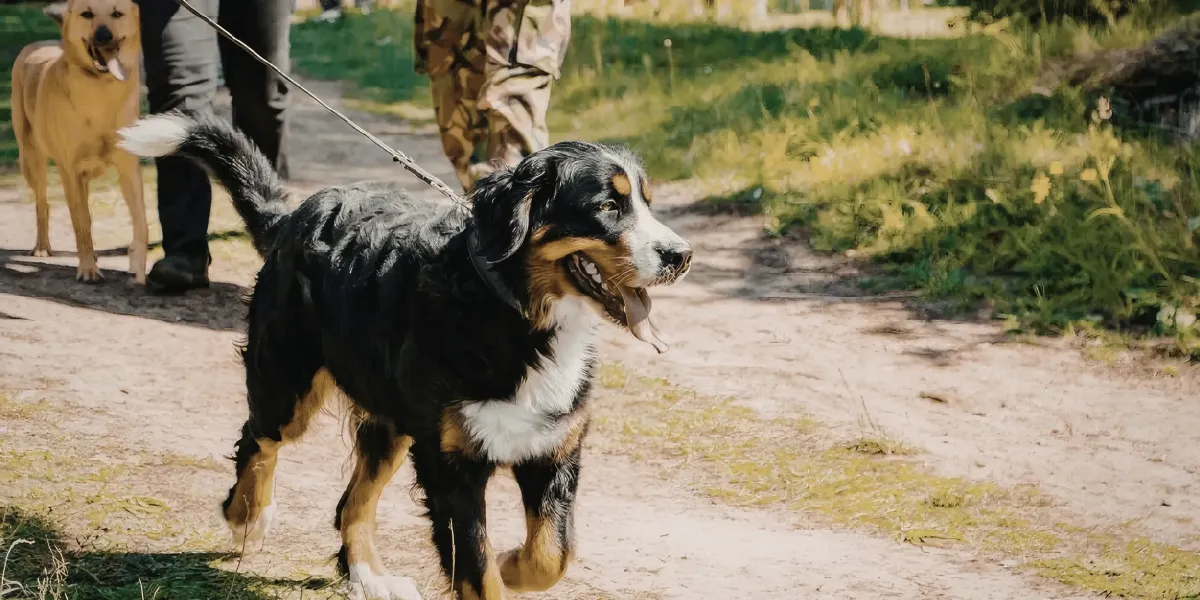
If every walk with your dog feels like a tug-of-war contest, you are not alone. Dog pulling on leash is one of the most common complaints among pet owners, and one of the most misunderstood.
The good news? Pulling is rarely a sign of a bad dog. It is a sign of a dog that has not yet learned the rules of polite leash walking. With the right approach, loose leash walking is achievable for almost any dog at any age.
This guide breaks down exactly why dogs pull, what techniques actually work, what gear helps, and how to build habits that last, so you and your dog can actually enjoy your walks together.
Why Dogs Pull on the Leash: The Root Causes
Before you can fix a dog pulling on a leash, you need to understand what is driving it. Pulling is not stubbornness, dominance, or a power play. It is almost always one of these very normal canine behaviors:
Understanding the 'why' matters because it changes your strategy. A dog pulling from pure excitement needs a different approach than a dog pulling because it has been inadvertently rewarded for it for three years.
Why Dog Pulling on Leash Is More Than Just Annoying
Many people put up with leash pulling because they assume it is just an inconvenience. But unchecked pulling creates real problems over time, for both you and your dog.
Physical injury risk: Repeated pulling on a flat collar can damage your dog's trachea and cervical spine. Large dogs can pull owners off their feet, causing falls and injuries.
Reinforcement loop: Every successful pull teaches your dog that pulling works. The longer it continues, the harder the habit is to break.
Walk avoidance: When walks are stressful, owners walk their dogs less. Less exercise means more energy, which makes pulling worse.
Safety hazards: A dog who bolts toward traffic, other animals, or people is a genuine safety risk to everyone involved.
Relationship strain: Frustrated owners are less patient, less engaged, and less likely to bond deeply with their dog on walks.
What Loose Leash Walking Actually Means
There is a common misconception that 'good leash walking' means your dog marches in a perfect heel position at your left side with eyes locked on you the whole time. That is a trained competition heel, and it is not necessary for everyday neighborhood walks.
Loose leash walking simply means your dog is not pulling. The leash hangs in a relaxed J-shape between you. Your dog may walk a little ahead, sniff around, or drift to the side, as long as the leash stays slack and tension-free.
Think of it in two modes:
Structured walking: Dog stays close, paying attention to you. Useful near traffic, crowds, or other dogs.
Free sniff mode: Dog can explore within leash length while you maintain a loose leash. Use a cue like 'go sniff' to give permission, and 'let's go' to resume structured walking.
Giving your dog both modes makes walks more enjoyable for everyone, and sniffing is genuinely enriching mental stimulation for dogs.
Leash Pulling Solutions: Training Techniques That Work
There is no single magic technique that works for every dog. The best results usually come from combining a few of these methods consistently. Here is a breakdown of the most effective leash training dog tips:
1. The Stop-and-Wait Method (Red Light / Green Light)
This is one of the most widely recommended approaches by professional trainers. The logic is simple: pulling makes the walk stop; a slack leash keeps it moving.
How to do it: The moment your dog pulls, stop completely. Do not pull back. Do not yell. Simply plant your feet. Wait until the leash goes slack, either because your dog turns back to check on you or takes a step backward. The instant the leash loosens, praise your dog and resume walking. Be warned: this takes patience. Early sessions may only cover half a block. That is fine. Consistency is everything here.
2. Direction Changes
When your dog forges ahead, turn and walk the opposite direction without warning. This teaches your dog to pay attention to where you are going rather than charging ahead on autopilot. Use an upbeat voice to encourage your dog to follow you as you pivot. Reward when your dog catches up and the leash is loose. Some trainers call this 'crazy walking', making unpredictable turns so the dog learns to focus on you rather than the destination.
3. Reward-Based Attention and Focus
Carry high-value treats and reward your dog for checking in with you. Eye contact, staying by your side, and maintaining a loose leash are all behaviors worth marking with a treat or praise the moment they happen. Over time, your dog learns that staying engaged with you pays off better than charging ahead.
4. Start Indoors, Progress Gradually
A dog who pulls in the neighborhood probably cannot learn loose leash walking in the neighborhood right away. The distraction level is simply too high. Begin leash training dog tips inside your home or in a quiet backyard. Once your dog is reliably walking politely in low-distraction environments, gradually increase difficulty: quiet residential streets, then busier sidewalks, then parks with other dogs.
5. Pre-Walk Energy Release
If your dog erupts out the door like a coiled spring, consider burning off some energy before the structured walk begins. A backyard play session, a game of fetch, or even a few minutes of tug before you leash up can make a meaningful difference in how controllable your dog is at the start of the walk.
The Right Gear for Dog Pulling on Leash
Training is always the real solution to leash pulling, but the right equipment can make training more manageable, especially for larger or stronger dogs. Here is a breakdown of the most common options:
Important note on aversive tools: Choke chains, prong collars, and electronic collars use pain or discomfort to suppress pulling. They carry real risks, physical injury, increased anxiety, and potential worsening of leash reactivity. Professional trainers who use positive reinforcement strongly advise against them.
Common Leash Training Mistakes That Set You Back
Even owners with the best intentions can accidentally slow their progress. Here are the most common mistakes to avoid when working on dog pulling on leash:
Being inconsistent: Letting pulling slide sometimes trains your dog that persistence pays off. Every person walking your dog needs to follow the same rules.
Going too far, too fast: Jumping straight to busy parks and trail walks before your dog has mastered basics in a quiet environment sets everyone up for frustration.
Walking too slowly: A leisurely human shuffle gives dogs more reason to pull ahead. A brisker pace helps keep your dog engaged and reduces the urge to forge.
Pulling back on the leash: Yanking or pulling back when your dog pulls triggers an opposition reflex; they naturally push against pressure. Stand still instead.
Using a retractable leash during training: These leashes literally reward pulling with more freedom. Switch to a standard 4-6 foot leash while training.
Expecting too much too soon: Progress is not linear. Some days will be better than others. Celebrate small wins.
How Long Does It Take to Stop Leash Pulling?
This is one of the most common questions owners have, and the honest answer is: it depends. Several factors influence the timeline:
For many dogs with mild to moderate pulling, consistent daily practice can yield noticeable improvement within 2-4 weeks. Deep-rooted habits or dogs with reactivity issues may benefit significantly from working with a certified professional trainer.
Leash Training Dog Tips: Starting With Puppies
The best time to address dog pulling on a leash is before it becomes a habit. Puppies as young as 8-10 weeks can begin gentle leash introduction, and starting early makes a huge difference.
Introduce the collar and leash indoors first, letting the puppy wear them around the house before any formal walking begins.
Begin in your home or yard, rewarding your puppy for staying close and keeping the leash loose.
Keep sessions very short, 3 to 5 minutes for young puppies, and always end on a positive note.
Socialize your puppy to a variety of environments gradually so that the outside world feels manageable rather than overwhelming.
Enroll in a puppy class or board-and-train program to build a strong foundation before pulling becomes ingrained.
When to Seek Professional Help for Leash Pulling
For many dogs, consistent owner-led training is enough to solve leash pulling. But there are situations where professional help is the faster, safer, and more reliable path:
Your dog is large or strong enough to physically overpower you or cause injury during walks.
Pulling is accompanied by lunging, barking, or growling at other dogs or people (leash reactivity).
You have been working on the problem consistently for weeks with little improvement.
Multiple family members are struggling to stay consistent, and a professional program would create a unified framework.
You want a faster, more structured result, especially for puppies or newly adopted dogs.
A certified dog trainer can assess the specific reasons your dog is pulling, create a tailored training plan, and teach you the handling skills to maintain results long-term. Board-and-train programs are particularly effective for dogs with persistent pulling or reactivity, as they allow intensive daily work in a controlled environment.
Ready to Stop the Pulling? Work with Cornerstone K9
If your dog pulls on the leash on walks in Raleigh, NC or the surrounding area, the team at Cornerstone K9 can help. Our professional trainers use proven, positive methods to teach loose leash walking that actually sticks, for puppies, adult dogs, and everything in between. We offer private lessons, board-and-train programs, and behavior modification tailored to your dog's specific needs. Serving Raleigh, Durham, Cary, Apex, Garner, Fuquay-Varina, and surrounding communities.
→ Schedule Your Free Consultation at cornerstonek9-nc.com ←


